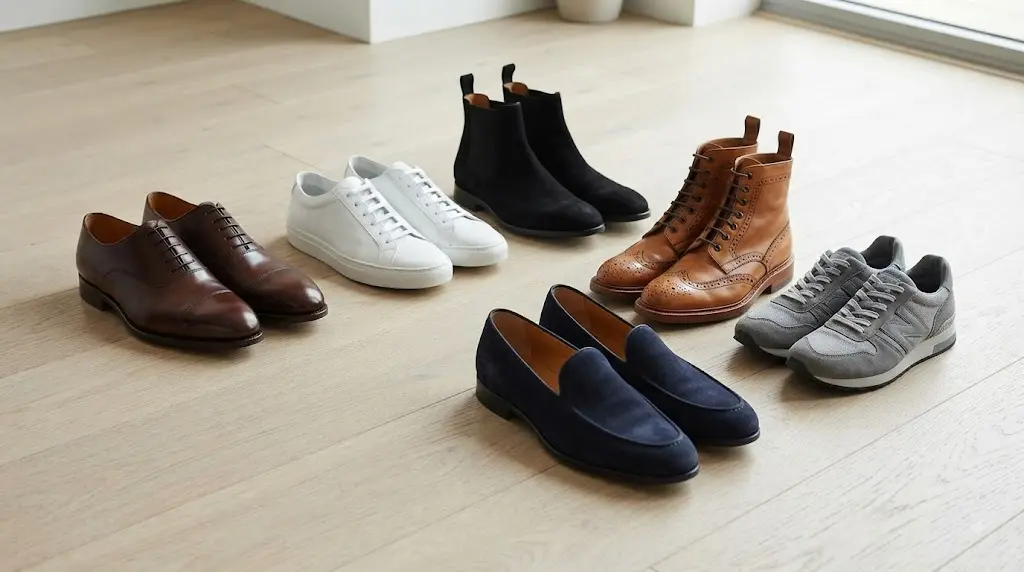
6 Best Shoe Styles Worth Adding to Your Wardrobe
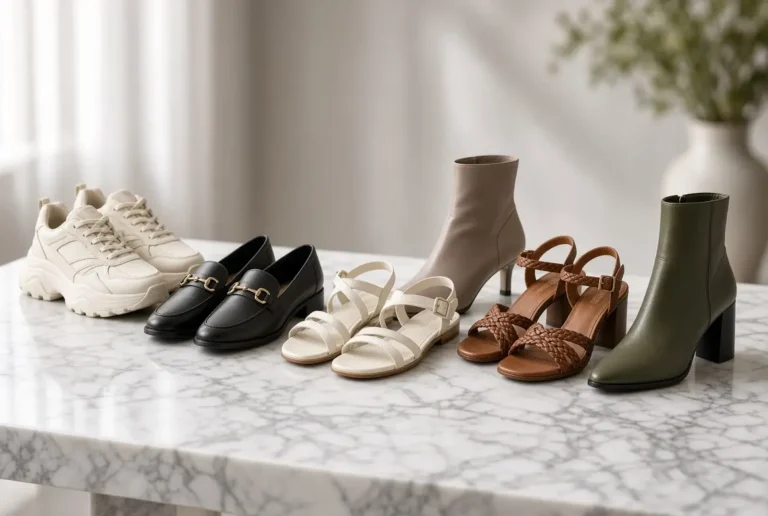
Shoes have a funny way of finishing a thought. You can wear the same jeans and white tee for a week straight, and it’s the shoe that decides whether the outfit reads as errand-day casual or quietly put together. This year’s runways leaned into that idea harder than usual, bringing back a little polish — sharper boots, kitten heels, glossy loafers — while still leaving room for the playful, retro energy that’s been building in sneakers and Western styles.
This guide isn’t a trend recap. It’s a shortlist of six shoe styles genuinely worth the closet space, why each one earns its keep, who it suits, and how to style it without falling into the usual mistakes. By the end, you’ll know exactly where to spend, where to save, and which pair to reach for first.
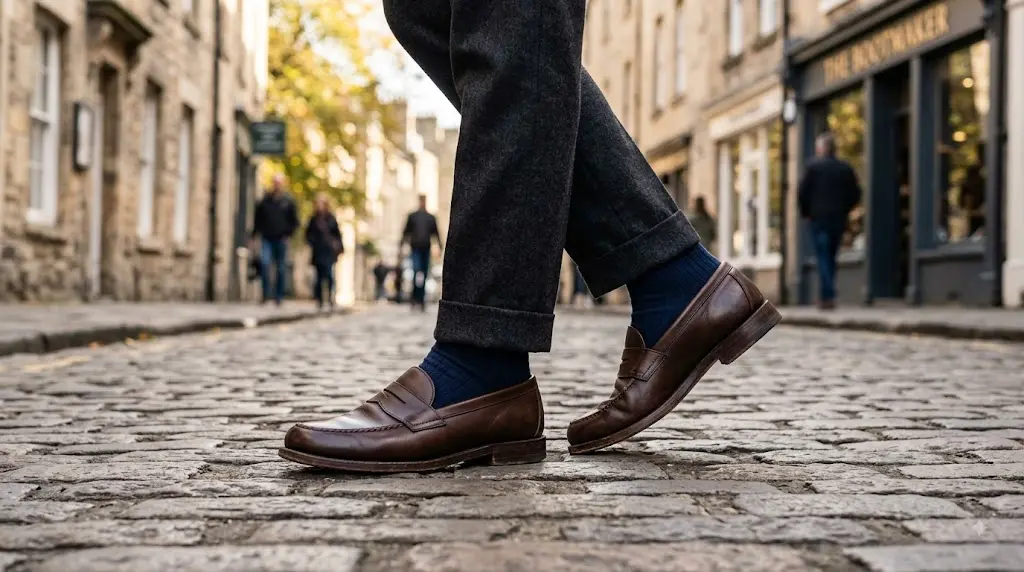
The Loafer: The One Shoe That Works for Almost Every Occasion
Loafers have quietly become one of the hardest-working shoes in a modern wardrobe. What used to read as strictly office footwear has loosened up considerably — penny loafers, horsebit styles, and platform versions are now showing up with everything from tailored trousers to slouchy denim and even slip dresses.
Part of the appeal is practical: a loafer gives you polish without the effort of a heel or the fuss of laces. It suits people who want their outfit to look intentional on a rushed morning, and it’s especially good for anyone building a capsule-style wardrobe where each piece needs to pull double duty. If you’re someone who lives in sneakers and finds any structured shoe uncomfortable, a loafer with a cushioned footbed is usually the easiest bridge — though if you truly need all-day flexibility, a sneaker will still serve you better.
Styling it well:
- With wide-leg trousers and a fitted knit for the office
- Over sheer or ribbed socks with a midi skirt for transitional weather
- With rolled straight-leg jeans and an oversized blazer for a smarter weekend look
Neutral leather (black, cognac, or deep burgundy) will get the most mileage, though a two-tone or patent finish is worth considering if you already have the basics covered. Suede loafers lean more autumn and pair beautifully with wool and corduroy.
The most common mistake is sizing them too loosely — loafers should sit close to the foot, not slip at the heel. A budget-friendly pair from a mainstream retailer will hold up fine for occasional wear, but if you’re wearing loafers several times a week, investing in a leather pair with a stitched (rather than glued) sole will pay off over years, not months. For a full breakdown of fit, materials, and how to avoid common buying mistakes, our guide on how to choose the best loafers goes much deeper into what separates a good pair from a great one.
Style Tip A loafer with a slightly chunkier sole reads more current than a flat, delicate version — it gives the shoe enough presence to anchor an oversized silhouette without looking clunky.
Leather Ankle Boots: The Season-Spanning Piece Worth the Investment
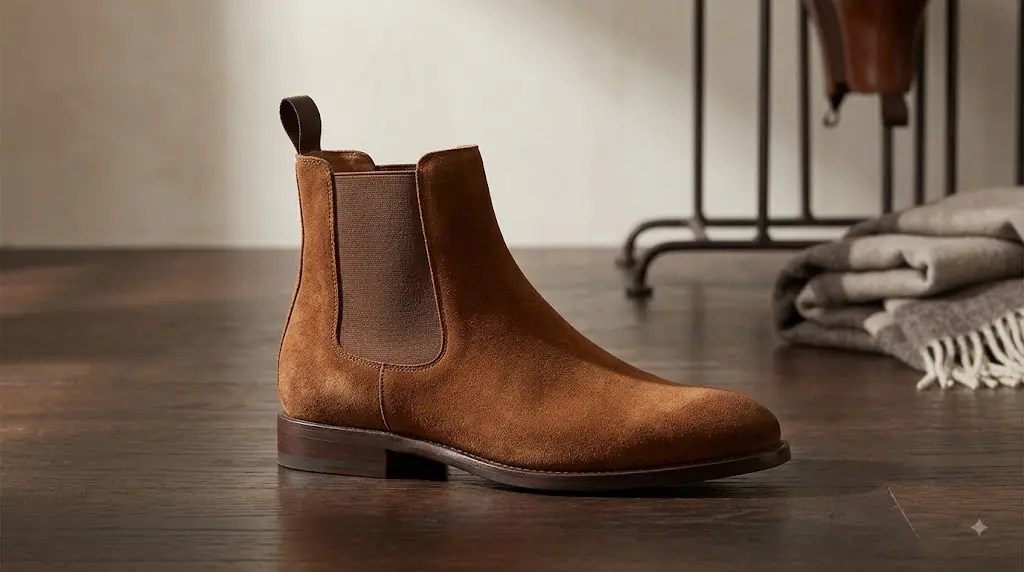
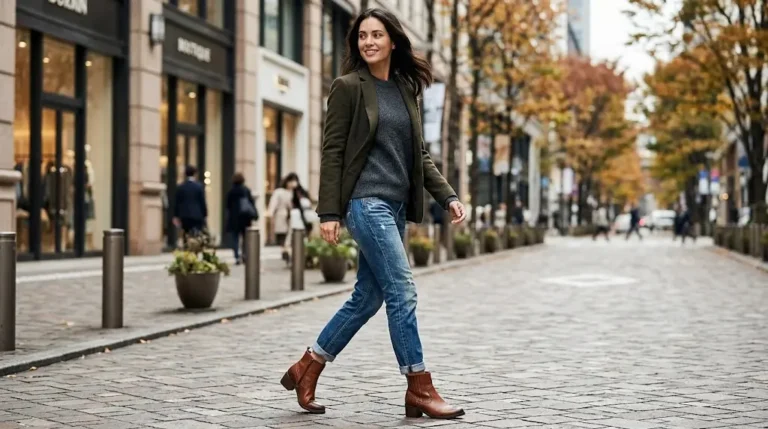
If you only add one “investment” shoe this year, an ankle boot is the strongest case. It’s the rare style that works across nearly every season outside of peak summer, and the current runway mood — slouchier shafts, sharper toes, and richer leather finishes — has made boots feel fresh again rather than like a repeat purchase.
Ankle boots suit almost every body type and personal style, which is part of why they’re such a reliable wardrobe anchor. The main consideration is shaft height relative to your leg: a boot that hits at the widest part of the calf will visually shorten the leg, so look for a cut that sits just above or below that point instead.
A few styling directions worth trying:
- Tucked skinny or straight jeans with a chunky knit for an effortless weekday look
- Under a midi dress with opaque tights for cooler-weather polish
- With tailored trousers cropped to break just above the ankle, letting the boot show
Black and cognac remain the most versatile colors, but a deep burgundy or forest green boot can become a genuine statement piece if your wardrobe is mostly neutral. Suede works well for fall; smoother, structured leather tends to look more elevated into winter and early spring.
Leather care is where most people cut corners, and it shows. Salt stains, cracked leather, and worn heels age a boot faster than actual use does. A quick conditioning routine every few weeks in wet-weather months extends the life of a pair considerably — our guide on how to keep leather boots looking new walks through the exact products and steps worth using.
Budget synthetic-leather boots are a reasonable starting point if you’re testing a silhouette before committing, but they tend to lose shape at the ankle within a season or two of regular wear. If boots are a core part of your rotation, genuine leather with a resoleable construction is worth the higher upfront cost — it’s also the more sustainable choice, since a well-maintained leather boot can be resoled and refreshed for years rather than replaced.
Clean White Sneakers: The Everyday Shoe That Still Has Rules
White sneakers never really left, but 2026 has pushed the category in two directions at once: skinny, low-profile silhouettes have become one of the season’s most talked-about shoe trends, showing up in bright, playful colorways alongside slouchy mid-calf socks, while brands like New Balance and Brooks continue leaning into retro, chunkier shapes with comfort at the center. Both directions are valid — it really comes down to the silhouette that suits your existing wardrobe.
Sneakers suit almost anyone, but the styling changes depending on the shape you choose. A skinny, minimalist sneaker leans more polished and pairs well with tailoring, while a chunkier retro shape reads more casual and works best with relaxed denim or joggers. If your wardrobe is mostly structured and tailored, the skinnier silhouette will feel more cohesive; if you dress more casually day to day, a retro shape gives you more personality without trying too hard.
A few ways to style clean sneakers up:
- With tailored trousers and a blazer for a smart-casual office look
- Under a slip dress with a leather jacket for evening
- With a structured trench and straight jeans for everyday polish
The biggest styling mistake is treating sneakers as an automatic downgrade — pairing a genuinely elevated sneaker with equally considered pieces (a good blazer, a well-fitted trouser) reads intentional rather than sloppy. The opposite mistake is over-accessorizing an already busy retro sneaker; let one element be the statement.
A budget pair from a mainstream retailer is completely reasonable for casual, everyday wear, especially if you’re rotating through several pairs. Where it’s worth spending more is comfort and construction — a supportive midsole matters far more once you’re logging real daily mileage in them. Our buyer’s guide to choosing quality sneakers breaks down what to actually look for in materials and sole construction before you buy.
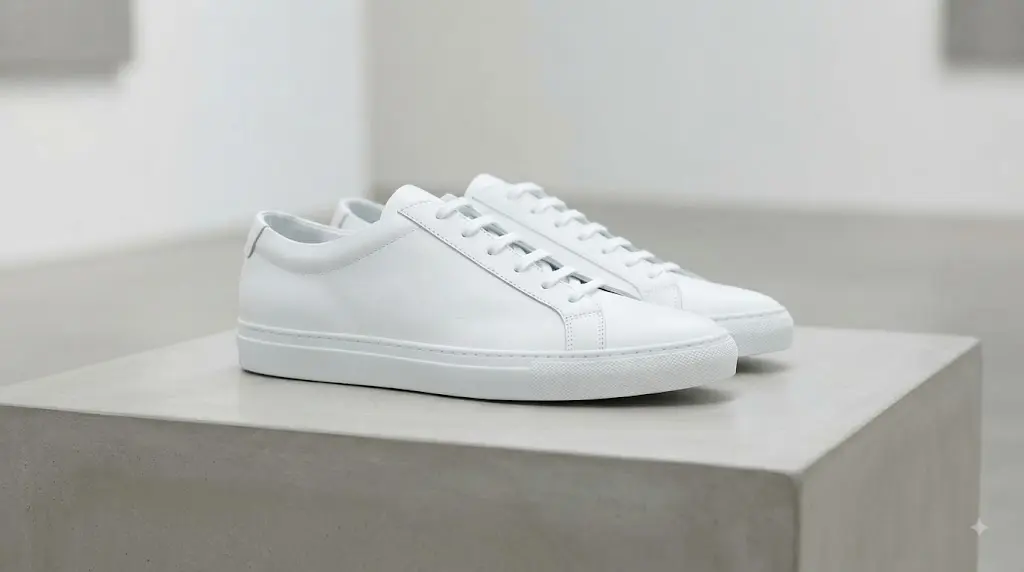
Style Tip Keep sneakers genuinely clean — a magic eraser on the midsole and a quick wipe-down of the upper takes two minutes and instantly makes an outfit look more put together.
Block-Heel and Kitten-Heel Mules: Proof That Comfort and Polish Can Coexist
The mule has had a real moment. Minimalist mules became a genuine bestseller across brands like Christian Louboutin, Saint Laurent, and Gianvito Rossi this year, showing up everywhere from red carpets to street style, and part of the appeal is obvious: a mule gives you the visual lift of a heel with the ease of slipping straight in and out.
Kitten and low block heels in particular suit people who want to wear a heel without sacrificing comfort or stability — they’re a genuinely good option for anyone who finds a stiletto exhausting by hour three. Taller block heels work well if you want more height and don’t mind a slightly firmer step; kitten heels are the better pick for long days on your feet, travel, or office wear where you’re walking often.
| Feature | Kitten Heel | Block Heel | Stiletto |
|---|---|---|---|
| Comfort for all-day wear | High | Medium | Low |
| Stability on uneven ground | High | Medium | Low |
| Formality | Smart-casual to formal | Casual to smart-casual | Formal |
| Best for | Office, travel, long days | Weekend, brunch, transitional weather | Evening, special occasions |
Style a mule with cropped trousers so the shoe stays visible, or with a midi skirt for a slightly dressed-up daytime look. Neutral leather is the safest starting point, but a mule is also a low-commitment way to try a bolder color or texture, since the silhouette itself is simple.
The most common mistake is buying a mule half a size too big for security — a mule needs to fit snugly at the vamp, or it will slip with every step. Budget versions in a synthetic upper are fine for occasional wear; a genuine leather mule with proper arch support is worth the upgrade if it’s becoming a regular part of your rotation.
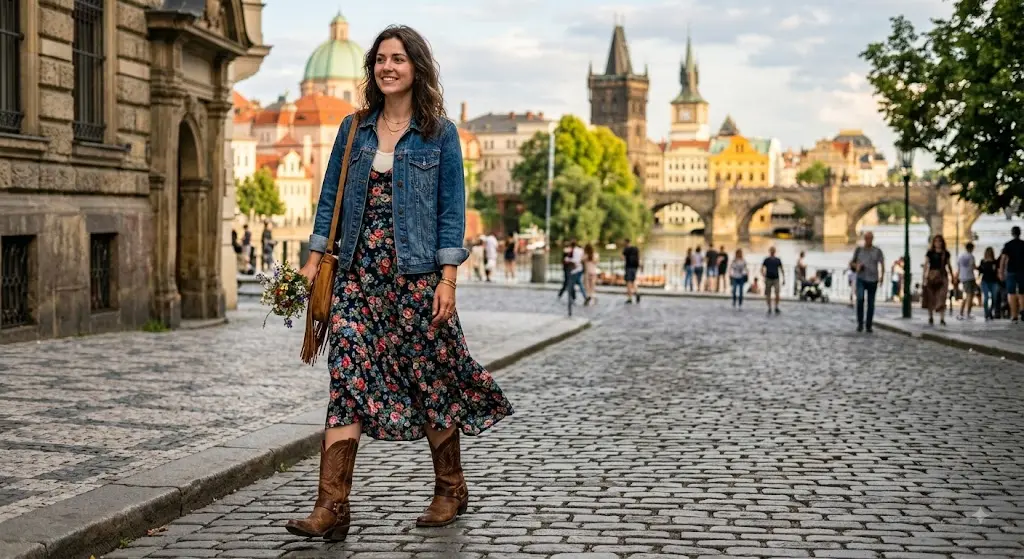
Western Boots: From Runway Statement to Genuine Wardrobe Staple
Unlike most seasonal footwear trends, Western boots haven’t faded after one cycle. Industry insiders continue to point to Western boots as a category that keeps holding strong rather than losing momentum, and it’s easy to see why — the silhouette has enough personality to feel current, but the construction is genuinely durable if you buy well.
This style suits anyone who wants one shoe in their closet that does the “statement” work without requiring a statement outfit around it. If you gravitate toward minimal, quiet pieces, a Western boot is a low-risk way to add character. If your personal style already leans maximalist, look for a more understated leather Western boot rather than a heavily embellished one, so it doesn’t compete with the rest of the outfit.
Ways to style Western boots that don’t read costume-y:
- With a simple slip dress and a denim jacket
- Under straight-leg or wide-leg jeans, letting the toe peek out
- With a tailored blazer and trousers for an unexpected mix of polished and rugged
Stick to a classic leather in black, brown, or tan if you want longevity; save the embellished or two-tone versions for when you already know the silhouette works in your wardrobe. According to WWD’s coverage of the season’s shoe trends, the category continues to draw attention from both luxury and mainstream brands, which is a good sign for finding options at multiple price points.
A well-made pair — genuine leather, stacked heel, quality stitching — is worth seeking secondhand or vintage if you’re working with a limited budget, since Western boots are a category where older, well-cared-for pairs often outlast newer fast-fashion versions.
Ballet Flats and Mary Janes: The Vintage Silhouette Making a Polished Comeback
After years of chunkier, sportier footwear dominating casual wardrobes, ballet flats and Mary Janes have crept back in with a more grown-up finish. Designers have been pulling from ’50s-inspired silhouettes, favoring almond-shaped toes and materials like satin and patent leather, polished to feel current rather than costume-like.
This style suits anyone who wants a flat that still feels considered rather than purely functional — it’s a strong option for smart-casual workplaces, dinners, or any outfit that needs a slightly softer, more feminine finish than a sneaker or loafer would give. If you need significant arch support for long days walking, look specifically for a pair with a built-in cushioned insole, since traditional ballet flats can run thin underfoot.
Pair a ballet flat with a midi skirt and fitted top for an easy daytime look, or with cropped trousers and a blouse for the office. A Mary Jane with a small strap adds a bit more structure and works especially well with dresses. Satin and patent leather look most elevated for evening; soft leather or suede is the more practical, everyday choice.
The main mistake to avoid is buying a completely flat, unstructured pair expecting all-day comfort — a slight arch or gel insole makes a significant difference. A budget pair is genuinely fine here since ballet flats naturally show wear faster than boots or sneakers; consider them a style you replace more often rather than one to over-invest in, unless you’re buying a leather pair specifically for longevity.
Quick Reference: Which Shoe Style, and When
| Shoe Style | Best Season | Formality Range | Comfort Level |
|---|---|---|---|
| Loafers | Year-round | Casual to smart-casual | High |
| Leather Ankle Boots | Fall–Winter, early Spring | Casual to smart-casual | High |
| White Sneakers | Year-round | Casual | Very High |
| Block/Kitten-Heel Mules | Spring–Fall | Smart-casual to formal | Medium–High |
| Western Boots | Fall–Spring | Casual to smart-casual | High |
| Ballet Flats/Mary Janes | Spring–Fall | Smart-casual to formal | Medium |
Style Tip If you can only build out three shoe styles this year, prioritize one flat everyday option (loafer or sneaker), one boot, and one heel with genuine comfort — that trio covers roughly 90% of real-life outfit needs.
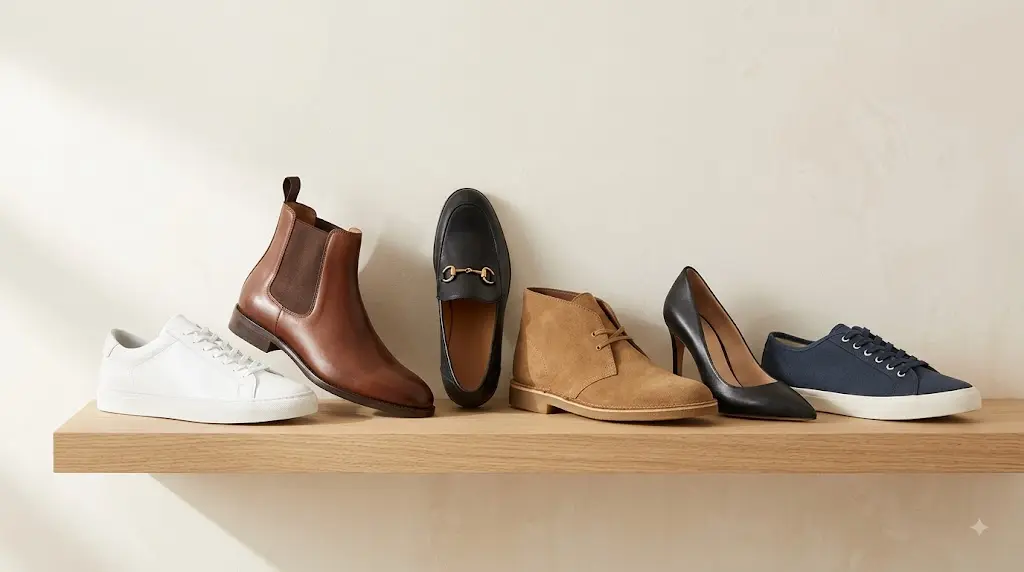
Whichever styles you prioritize, keeping up with where footwear is heading each season makes these decisions easier — our roundup of the best footwear trends you need to know is a useful place to check before a bigger shoe purchase. And if you’re thinking about this shortlist as part of a bigger wardrobe reset, our complete guide to building a capsule wardrobe covers how to prioritize purchases like these against everything else in your closet.
Frequently Asked Questions
How many pairs of shoes does a well-rounded wardrobe actually need? Somewhere between six and ten versatile pairs typically covers most lifestyles — fewer if you dress simply, more if your week includes a wide range of occasions. Quality and versatility matter more than quantity.
What’s the real difference between a loafer and an Oxford? A loafer is slip-on with no laces, while an Oxford is a laced, closed-throat shoe. Loafers generally read more casual and relaxed; Oxfords lean more formal and structured.
How do I know if a shoe silhouette suits my height? As a general guide, pointed toes and lower vamps tend to elongate the leg, while chunky, rounded silhouettes can visually shorten it — though personal comfort and confidence in a shoe matter just as much as any styling rule.
Is it worth buying real leather if I’m on a budget? Not always upfront, but for shoes you’ll wear weekly — boots and loafers especially — genuine leather tends to outlast synthetic alternatives by years, which often makes it the better value over time.
Are Western boots practical for everyday wear, or just a statement piece? A classic leather pair in a neutral color is genuinely practical for daily wear. It’s the heavily embellished or novelty versions that work better as occasional statement pieces.
What’s the easiest way to transition shoes between seasons? Focus on material rather than silhouette — suede and warmer leather tones read fall/winter, while lighter leather, canvas, and satin finishes shift the same shapes into spring and summer.
The Bottom Line
Building a shoe wardrobe that actually works doesn’t require chasing every trend or spending beyond your means. A loafer, a pair of leather boots, clean sneakers, a comfortable heel, one statement pair, and a polished flat cover nearly every outfit and occasion you’ll realistically face this year. Prioritize the pairs you’ll wear most often, invest where the construction genuinely matters, and let the rest of your wardrobe build around shoes that already work hard for you.








20 Responses
Бизнес выступает важным двигателем прогресса общества.
Предпринимательство создаёт свежие вакансии и обеспечивает населению надёжный доход.
https://www.kp40.ru/site/releases/pnews/103553/
Кроме того, свое дело поощряет прогресс и разработку передовых продуктов.
Следовательно, предпринимательство делает экономику более устойчивой и открывает шанс к личностному росту.
Предпринимательство является основным локомотивом роста экономики.
Бизнес создаёт дополнительные рабочие места и даёт гражданам стабильный заработок.
https://vo.plus.rbc.ru/partners/641332417a8aa9e3e2289a1a
Кроме того, бизнес поощряет прогресс и внедрение передовых технологий.
Следовательно, бизнес делает экономику намного более благополучной и создаёт возможности к самореализации.
La práctica responsable del juego se define como un enfoque el cual busca conservar la moderación en las apuestas y prevenir los riesgos vinculados a el juego.
Supone definir límites de tiempo al momento de comenzar, así como reconocer las alertas que indican una conducta problemática.
https://www.apkfiles.com/apk-622658/descargar-mobcash-apk-oficial-gesti-n-de-caja-m-vi
Además, favorece elecciones informadas así como pretende que la el esparcimiento permanezca el objetivo esencial al el juego.
En resumen, el juego responsable ayuda a los usuarios a mantener el control sobre sus decisiones así como a disfrutar el juego de forma equilibrada.
La ludopatía responsable es una filosofía mediante el cual busca preservar el equilibrio sobre la actividad de apostar y minimizar los daños potenciales relacionados con esta actividad.
Supone fijar límites de tiempo previo a comenzar, y también reconocer las señales que indican una conducta problemática.
https://www.apkfiles.com/apk-622658/descargar-mobcash-apk-oficial-gesti-n-de-caja-m-vi
También, fomenta elecciones conscientes y procura que la el entretenimiento permanezca el objetivo central al el juego.
En resumen, el juego responsable ayuda a los usuarios a conservar el control de sus hábitos así como a vivir el juego de forma equilibrada.
El juego responsable se define como una filosofía que procura conservar el control en el juego así como minimizar los daños potenciales vinculados a esta actividad.
Requiere definir restricciones de tiempo antes de empezar a jugar, así como reconocer los indicios que indican un problema.
https://www.apkfiles.com/apk-622658/descargar-mobcash-apk-oficial-gesti-n-de-caja-m-vi
También, favorece decisiones conscientes y procura que el esparcimiento permanezca el objetivo central de la actividad.
En definitiva, el juego responsable permite a las personas a conservar la rienda suelta sobre sus decisiones y a gozar la actividad de forma segura.
El juego responsable consiste en un conjunto de principios el cual pretende conservar el equilibrio sobre las apuestas así como prevenir los problemas asociados con las apuestas.
Requiere definir límites personales antes de empezar a jugar, y también reconocer las alertas de un problema.
https://www.apkfiles.com/apk-622658/descargar-mobcash-apk-oficial-gesti-n-de-caja-m-vi
Igualmente, favorece elecciones conscientes así como busca que el entretenimiento siga siendo el objetivo central al el juego.
En resumen, esta práctica ayuda a las personas a mantener la rienda suelta sobre su comportamiento así como a gozar la experiencia de manera equilibrada.
El juego responsable representa un conjunto de principios mediante el cual pretende conservar el control respecto a la actividad de apostar así como evitar las consecuencias negativas asociados con las apuestas.
Supone establecer límites de tiempo antes de empezar a jugar, así como detectar las alertas de un problema.
https://www.apkfiles.com/apk-622658/descargar-mobcash-apk-oficial-gesti-n-de-caja-m-vi
Asimismo, favorece elecciones responsables así como pretende que la la diversión continúe siendo el propósito esencial al la experiencia.
En síntesis, este enfoque permite a las personas a mantener la rienda suelta sobre su comportamiento así como a gozar la experiencia de forma saludable.
El juego consciente se define como un conjunto de principios que busca conservar el equilibrio sobre las apuestas así como evitar las consecuencias negativas asociados con las apuestas.
Supone establecer restricciones de tiempo antes de comenzar, y también detectar las alertas que indican una posible adicción.
https://www.apkfiles.com/apk-622658/descargar-mobcash-apk-oficial-gesti-n-de-caja-m-vi
También, fomenta elecciones conscientes así como procura que el esparcimiento continúe siendo la finalidad central de la experiencia.
En síntesis, el juego responsable ayuda a las personas a mantener la rienda suelta sobre su comportamiento y a vivir el juego de manera segura.
La práctica responsable del juego es una práctica que procura preservar la moderación respecto a el juego y prevenir los daños potenciales vinculados a el juego.
Incluye definir límites de tiempo antes de empezar a jugar, y también reconocer las señales de una conducta problemática.
https://www.apkfiles.com/apk-622658/descargar-mobcash-apk-oficial-gesti-n-de-caja-m-vi
También, favorece elecciones conscientes así como procura que la el entretenimiento permanezca la finalidad principal al la actividad.
En síntesis, esta práctica ayuda a las personas a preservar el control de sus decisiones y a vivir la experiencia de manera segura.
La práctica responsable del juego representa una práctica que procura conservar el control sobre la actividad de apostar así como minimizar los daños potenciales relacionados con el juego.
Incluye establecer límites de dinero al momento de participar, así como reconocer las alertas de un problema.
https://www.apkfiles.com/apk-622658/descargar-mobcash-apk-oficial-gesti-n-de-caja-m-vi
Asimismo, promueve decisiones responsables así como procura que el entretenimiento siga siendo el objetivo esencial de la experiencia.
En definitiva, esta práctica facilita a las personas a conservar el dominio sobre su comportamiento y a gozar el juego de forma segura.
La ludopatía responsable consiste en una práctica el cual tiene como objetivo mantener el equilibrio sobre el juego así como evitar los problemas asociados a las apuestas.
Requiere fijar límites de tiempo antes de empezar a jugar, así como reconocer las señales que indican una conducta problemática.
https://www.apkfiles.com/apk-622658/descargar-mobcash-apk-oficial-gesti-n-de-caja-m-vi
Asimismo, favorece decisiones conscientes y busca que la la diversión continúe siendo el propósito principal de el juego.
En definitiva, este enfoque ayuda a los jugadores a mantener la rienda suelta sobre sus decisiones así como a vivir el juego de forma segura.
El juego consciente se define como un conjunto de principios mediante el cual busca preservar la moderación respecto a las apuestas y prevenir los problemas asociados a el juego.
Supone establecer restricciones personales previo a empezar a jugar, así como reconocer las alertas de una posible adicción.
https://www.apkfiles.com/apk-622658/descargar-mobcash-apk-oficial-gesti-n-de-caja-m-vi
Asimismo, promueve elecciones responsables y procura que la el esparcimiento permanezca el propósito principal de el juego.
En síntesis, el juego responsable ayuda a los usuarios a mantener el dominio de sus hábitos así como a disfrutar la experiencia de manera segura.
На этом веб-сайте удастся обнаружить массу ценных публикаций.
На этой платформе опубликованы многочисленные заметки на интересные темы.
Любой читатель сумеет открыть для себя немало интересного и обогатить свой понимание.
Публикации периодически обновляются, чтобы посетители неизменно располагали доступ к наиболее свежей информации.
https://sakhaday.ru/categories/interesnoe
На представленном портале легко встретить обилие увлекательных публикаций.
На страницах ресурса представлены самые разные исследования на интересные темы.
Любой читатель имеет возможность изучить много интересного и пополнить свой понимание.
Материалы периодически обновляются, чтобы посетители неизменно имели доступ к самой новейшей информации.
https://sakhaday.ru/categories/interesnoe
На нашем веб-сайте можно отыскать множество ценных сведений.
Тут собраны разнообразные исследования на животрепещущие направления.
Каждый пользователь сумеет почерпнуть много интересного и расширить собственный багаж знаний.
Материалы постоянно дополняются, дабы пользователи неизменно имели возможность к наиболее свежей базе.
https://sakhaday.ru/news/kabachki-kak-gruzdi-po-vkusu-ne-otlichish-recept-zakrutki-na-zimu
На нашем веб-сайте удастся встретить много познавательных данных.
На страницах ресурса доступны самые разные руководства на животрепещущие направления.
Каждый читатель сможет найти что-то полезного и пополнить свой багаж знаний.
Материалы регулярно пополняются, чтобы посетители всегда располагали доступ к наиболее актуальной базе.
https://sakhaday.ru/news/zachem-v-pogrebe-zhgut-odnu-svechu-staryy-dedovskiy-tryuk-kotoryy-spasaet-urozhay-ot-syrosti
На представленном портале удастся обнаружить много интересных данных.
На страницах ресурса размещены разнообразные руководства на интересные вопросы.
Всякий гость сумеет изучить много интересного и пополнить собственный багаж знаний.
Публикации периодически пополняются, чтобы пользователи неизменно располагали доступ к наиболее новейшей подборке.
https://sakhaday.ru/news/vmesto-nadoevshih-makaron-gotovlyu-alio-olio-i-peperonchino-vsego-15-minut-i-uzhin-gotov
Утепление несёт важнейшую задачу в поддержании тепла внутри дома.
Качественная теплоизоляция даёт возможность значительно снизить расходы на отопление и кондиционирование зданий.
https://class-m.ru/article/2052-ekologicheskie-preimushchestva-bazaltovoy-izolyatsii-v-stroitelstve.html
Помимо этого, утепление защищает от образование влаги, плесени и разрушения конструкций.
Таким образом, правильная теплоизоляция гарантирует энергоэффективность и уютный микроклимат в помещении.
Утепление играет ключевую задачу в удержании тепла внутри помещения.
Надёжная изоляция помогает существенно уменьшить затраты на обогрев и кондиционирование помещений.
https://belokurikha-smi.ru/text-article/183-preimushchestva-mbo-v-energoeffektivnykh-zdaniyakh-i-sistemakh-otopleniya.html
Кроме того, изоляция предотвращает появление влаги, плесени и разрушения стен.
В итоге, правильная изоляция обеспечивает экономию ресурсов и комфортный микроклимат в помещении.
Теплоизоляционные материалы играет критическую роль в поддержании тепла внутри дома.
Эффективная теплоизоляция позволяет заметно сократить расходы на обогрев и охлаждение зданий.
https://energiadoma.ru/full-read/213-preimushchestva-mbo-bazaltovoy-izolyatsii-v-zhilykh-zdaniyakh.html
Помимо этого, утепление предотвращает появление влаги, грибка и разрушения конструкций.
В итоге, качественная теплоизоляция гарантирует экономию ресурсов и комфортный микроклимат в помещении.