Skincare Routine Steps for Beginners: A Simple Guide to Healthy Skin
Starting a skincare routine can feel harder than putting together an outfit. Walk into any beauty aisle and you’ll find cleansers, serums, toners, and creams that all promise different results. It’s easy to feel stuck before you’ve even washed your face.
Here’s the good news: a solid skincare routine doesn’t need ten products or a big budget. It needs the right steps, done in the right order, for your skin type. This guide breaks down exactly how to build a beginner-friendly routine, from your first cleanse to your last layer of sunscreen. You’ll learn what each step actually does, which mistakes to skip, and how to adjust things as your skin changes with the seasons.
Why a Skincare Routine Matters More Than Just Good Skin
Skin is your body’s largest organ, and it works as a barrier against sun, pollution, and everyday wear and tear. A simple routine helps that barrier do its job. That means fewer breakouts, less irritation, and skin that ages more gracefully over time.
It’s not only about appearance. A consistent routine also builds a small daily ritual you can rely on, the same way a signature outfit formula makes getting dressed easier. Once the basics become automatic, you can start experimenting with more advanced products.

Getting to Know Your Skin Type First
Every skincare decision starts here. Using the wrong products for your skin type is the fastest way to waste money and end up frustrated.
- Normal skin: Not too oily or dry, few sensitivities, rarely reacts to new products.
- Oily skin: Shiny by midday, prone to clogged pores and breakouts.
- Dry skin: Feels tight or flaky, especially after cleansing.
- Combination skin: Oily through the T-zone, drier on the cheeks.
- Sensitive skin: Reacts easily to fragrance, active ingredients, or weather changes.
Most people fall somewhere between two categories, and that’s completely normal. Your skin can also shift with the seasons, stress, or hormones, so it’s worth reassessing every few months.
Style Tip Before adding any new product to your routine, patch test it on your inner arm for two to three days. This simple habit catches irritation before it ever reaches your face.
The Right Order to Apply Skincare Products
Dermatologists generally agree on one rule: apply products from thinnest to thickest texture. Lightweight formulas absorb fastest, so they go on first, followed by heavier creams and oils that seal everything in. Skipping this order can stop your products from working the way they’re supposed to.
| Morning Routine | Evening Routine |
|---|---|
| Gentle cleanser | Cleanser (double cleanse if wearing makeup) |
| Antioxidant serum, like vitamin C | Treatment step, such as retinol or exfoliant (a few nights a week) |
| Moisturizer | Moisturizer or night cream |
| Sunscreen, SPF 30 or higher | Face oil, optional |
Step-by-Step Morning Skincare Routine for Beginners
Step 1: Cleanse Away the Night
A gentle, low-foam cleanser removes sweat and any product buildup from overnight without stripping your skin. If your skin feels tight right after washing, the cleanser is likely too harsh.
Step 2: Add a Protective Serum
A vitamin C or other antioxidant serum helps defend skin against pollution and sun exposure during the day. This step is optional when you’re just starting out, but it’s a smart addition once your basics feel steady.
Step 3: Lock in Moisture
Moisturizer keeps your skin barrier balanced and comfortable. Even oily skin needs this step, since skipping it can actually trigger more oil production.
Step 4: Never Skip Sunscreen
This is the step beginners drop most often, and it matters the most. According to the American Academy of Dermatology, everyday sunscreen should offer broad-spectrum protection, SPF 30 or higher, and water resistance. Daily sunscreen use is one of the simplest ways to prevent premature aging and protect long-term skin health.
Style Tip Sunscreen always goes last in your morning routine, even under makeup. Apply it as the final skincare step, wait a minute or two, then move on to any color products.
Step-by-Step Evening Skincare Routine for Beginners
Step 1: Double Cleanse If You Wear Makeup
Start with an oil-based cleanser to break down makeup and sunscreen, then follow with your regular gentle cleanser. Skip the oil step on makeup-free days.
Step 2: Treat, But Only a Few Nights a Week
This is where retinol, exfoliating acids, or spot treatments come in. Beginners should introduce just one active ingredient at a time, starting two to three nights a week.
Step 3: Moisturize to Repair
Nighttime is when skin repairs itself, so a slightly richer cream than your daytime formula can help. This is also where a face oil can be layered on top for extra dry patches.

Building a Routine Around Your Skin Type
Once you know your skin type, you can fine-tune your product choices without overhauling the whole routine.
| Skin Type | Look For | Go Easy On |
|---|---|---|
| Oily | Lightweight gels, oil-free moisturizer | Heavy creams, alcohol-based toners |
| Dry | Cream cleansers, richer moisturizers | Foaming cleansers, strong exfoliants |
| Combination | Balanced, non-comedogenic formulas | One-size-fits-all heavy creams |
| Sensitive | Fragrance-free, minimal ingredient lists | New actives added too quickly |
Common Beginner Skincare Mistakes to Avoid
A few small missteps can undo an otherwise solid routine. Watch out for these:
- Over-exfoliating, which weakens your skin barrier over time
- Skipping sunscreen on cloudy or indoor days
- Mixing too many active ingredients at once
- Switching products every few days instead of giving them time to work
- Applying products in the wrong order, thickest to thinnest instead of the reverse
- Expecting overnight results from a brand-new routine
Style Tip Give any new product at least four to six weeks before deciding if it’s working. Most skincare results build gradually, not overnight.
Budget-Friendly vs. Premium Skincare: What’s Worth the Splurge
Price doesn’t always equal performance. Some categories perform just as well at a lower price point, while others genuinely benefit from a higher-quality formula.
| Product Type | Budget-Friendly Works Fine | Premium Can Be Worth It |
|---|---|---|
| Cleanser | Yes, formula matters more than brand | Rarely necessary |
| Sunscreen | Yes, as long as it’s broad-spectrum SPF 30+ | Only for texture or tint preference |
| Moisturizer | Yes, for most skin types | Helpful for very dry or mature skin |
| Active serums (retinol, vitamin C) | Sometimes | Often, due to ingredient stability and concentration |
When to Introduce Actives Like Retinol or Exfoliants
Actives can transform your skin, but they’re also where most beginner mistakes happen. Start with one active ingredient, used just a couple of nights a week, and increase frequency slowly as your skin adjusts. If you notice ongoing redness, stinging, or breakouts that don’t settle, it’s worth checking in with a dermatologist for guidance tailored to your skin rather than adding more products to fix the problem.
Rounding Out Your Beauty Routine Beyond Skincare
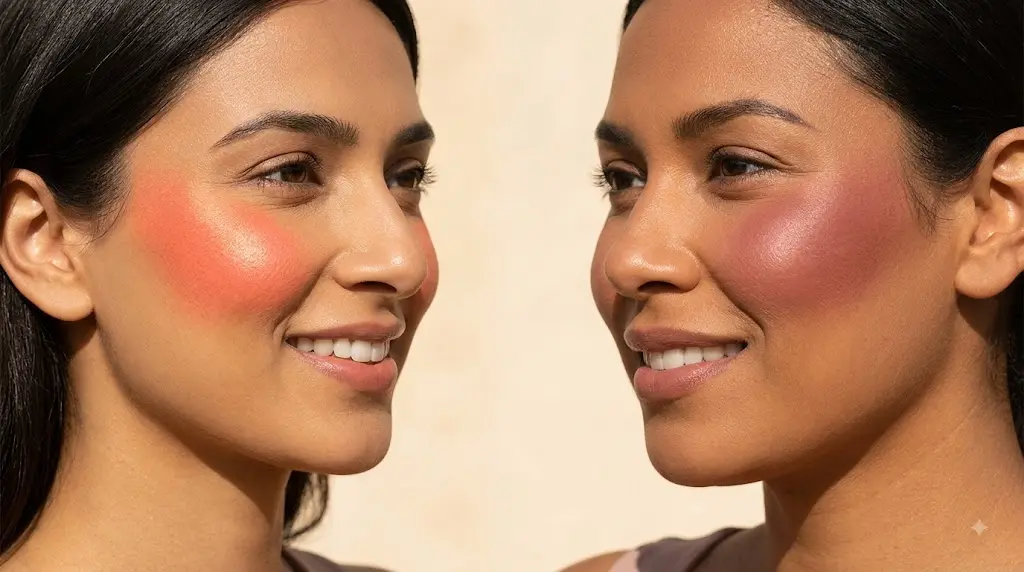
Once your skin feels steady, it becomes the base everything else builds on. A soft flush looks better on well-moisturized skin, which is where our guide to the best blush shades for every skin tone comes in handy. If you’re ready to layer on color, our roundup of the makeup trends editors are loving right now is a great next stop.
Even small details, like a fresh manicure, feel more polished against clear, healthy skin. Our guide to how to choose the perfect nail color can help you round out the look.
Everyday Habits That Support Your Skincare Routine
Products only do part of the work. These daily habits make a real difference too:
- Drink enough water throughout the day
- Aim for consistent, quality sleep
- Change your pillowcase weekly
- Manage stress where you can, since it shows up on skin
- Eat a balanced diet with enough healthy fats
Pairing this with a simple hair care rhythm, like the tips in our guide to natural-looking hair, rounds out an easy, low-effort self-care routine.
Frequently Asked Questions
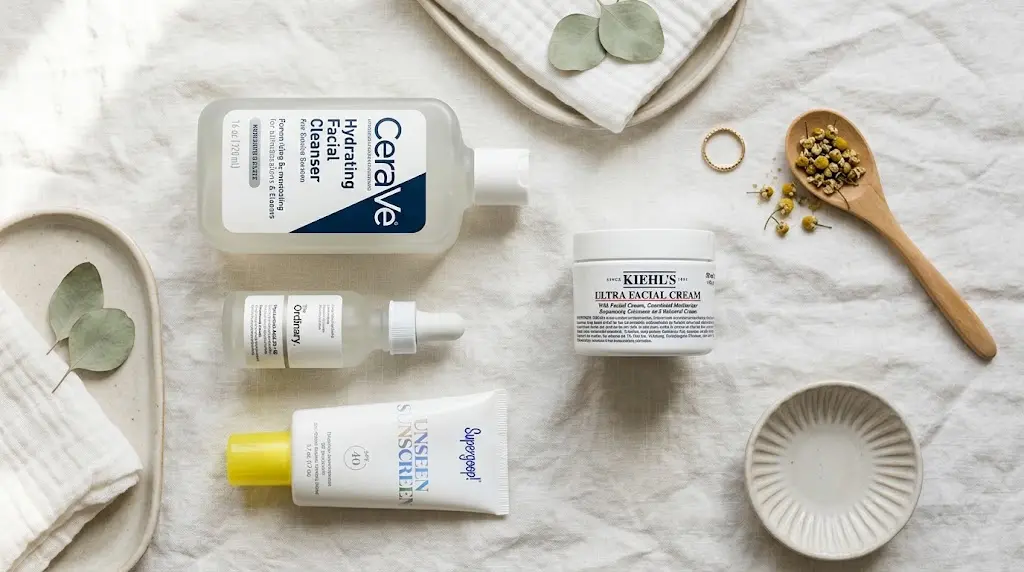
How many skincare products do beginners actually need? Three products cover the basics: a gentle cleanser, a moisturizer, and a daily sunscreen. Everything else, like serums or treatments, can be added gradually once those three feel steady.
Do I really need a separate toner and serum? No. Toner and serum are both optional extras, not essentials. Add them later if you want to target a specific concern, like dullness or uneven texture.
Can I skip sunscreen if my moisturizer has SPF? Only if it offers broad-spectrum protection with SPF 30 or higher, and you apply enough of it. Many people don’t use enough tinted moisturizer or foundation with SPF to get full protection, so a dedicated sunscreen is usually more reliable.
How soon will I see results from a new skincare routine? Most people notice a difference in texture and comfort within two to four weeks. Deeper changes, like fading dark spots, can take eight to twelve weeks of consistent use.
Is it okay to use the same routine for morning and night? Mostly, yes. The main difference is sunscreen in the morning and, if you use one, a treatment step like retinol at night.
What should I do if a new product makes my skin break out? Stop using it right away and go back to your basic routine for a week or two. If irritation continues after removing the product, that’s a sign to check in with a dermatologist.
Final Thoughts
Building a skincare routine as a beginner isn’t about collecting every product on the shelf. It’s about mastering a few steps, in the right order, and giving them time to work. Start with a gentle cleanser, a moisturizer, and daily sunscreen, then build outward as you learn what your skin actually needs.
Once your skincare feels effortless, it becomes the quiet foundation for the rest of your beauty routine, from a swipe of blush to your next manicure. Small, consistent habits tend to outperform any single “miracle” product, so give your routine a few weeks before judging the results.