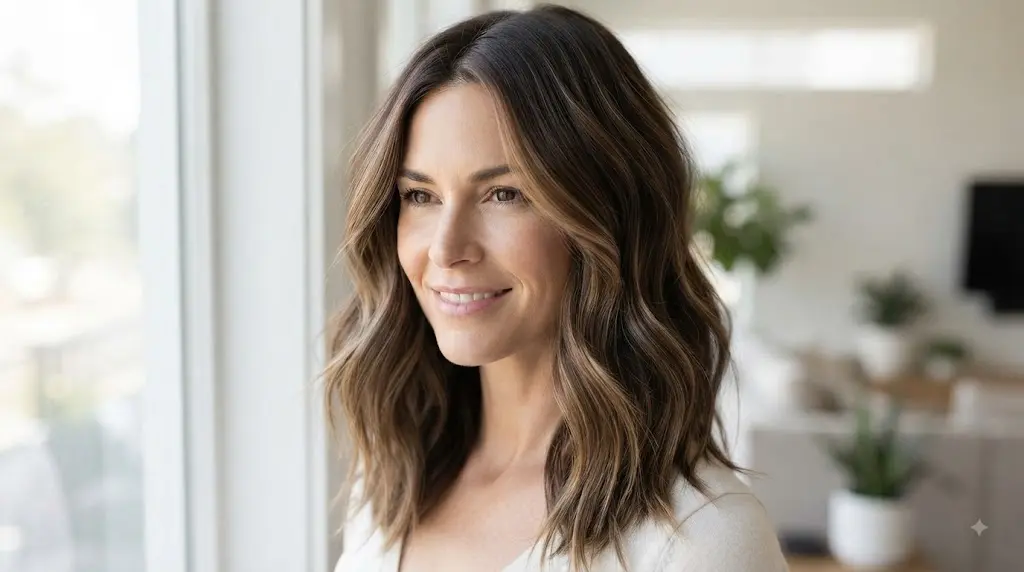
How to Get Natural-Looking Hair: A Real-World Styling Guide
Natural-looking hair has quietly become one of the most requested looks in salons right now, and it’s easy to see why. It photographs well, it takes less time than a full blowout, and it doesn’t fight against the texture you already have. But there’s a catch nobody mentions enough: “natural” hair is often the most deliberately styled hair in the room. Getting it right takes a specific approach, not the absence of one.
This guide breaks down exactly how to build that effortless finish — from the cut that sets you up for success, to the products worth buying, to the small technique shifts that separate “natural” from “unstyled.” Whether you’re working with straight, wavy, curly, or coily hair, there’s a version of this look built for you.
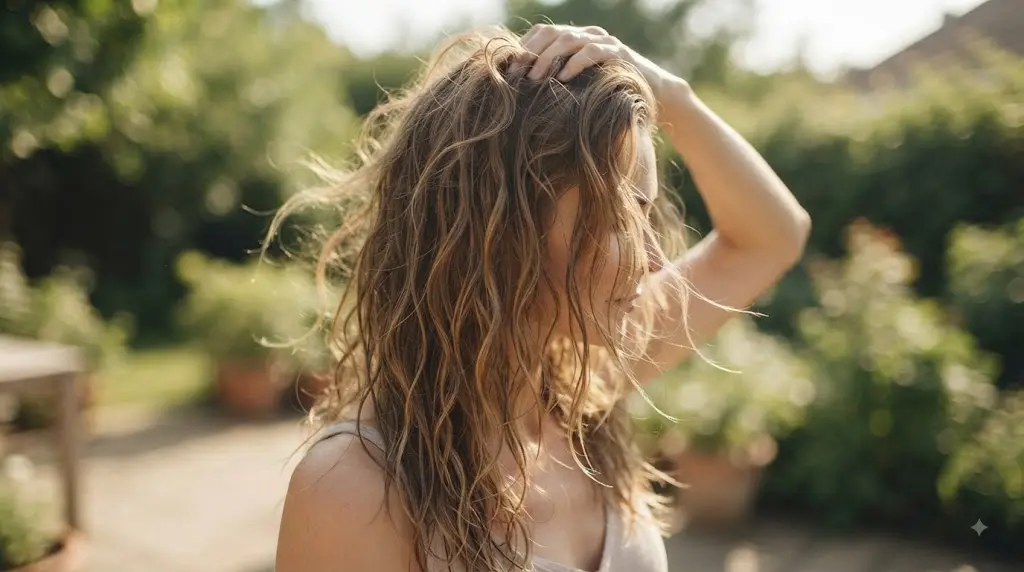
What “Natural-Looking Hair” Actually Means
Natural-looking hair isn’t the same as doing nothing to your hair. It’s a finish that enhances your existing texture — waves stay waves, curls stay curls, straight hair keeps its natural fall — without the heavy shine, rigid shape, or flat-ironed uniformity of a traditional styled look. The goal is hair that looks like it grew that way, even though several small, intentional steps got it there.
This distinction matters because it changes what you’re actually working toward. You’re not trying to eliminate styling; you’re trying to make the styling invisible.
Why This Look Has Taken Over
A few practical shifts are driving this. Heat styling damage has made people more cautious about daily blow-drying and flat-ironing, and air-dried, texture-forward looks are the natural replacement. Color has followed the same path — soft, blended tones that grow out gracefully have become more popular than sharply contrasted color that needs constant root touch-ups, because they simply require less upkeep.
There’s also a cultural piece to this. Natural texture — waves, curls, coils — is being showcased and celebrated rather than smoothed away, and that shift has pushed stylists to cut hair for how it’s actually worn day to day, not just how it looks fresh out of the chair.
Style Tip If your hair looks “done” the moment you finish styling it, you’ve gone past natural. Aim for texture that still looks slightly unfinished — that’s usually the sign you’ve nailed it.
Who This Look Suits Best
Natural-looking hair works especially well for anyone with noticeable texture already — waves, curls, or coils that have been fighting against years of smoothing. It also suits people who want a lower-maintenance routine without giving up a polished appearance, and anyone building a wardrobe around relaxed, easy dressing, since undone hair pairs naturally with that mood.
It’s a slightly harder sell for people who genuinely love a sleek, uniform finish for work or events — that’s not a flaw in the look, just a different aesthetic goal. If that’s you, natural styling can still work as an off-duty option rather than an everyday replacement.
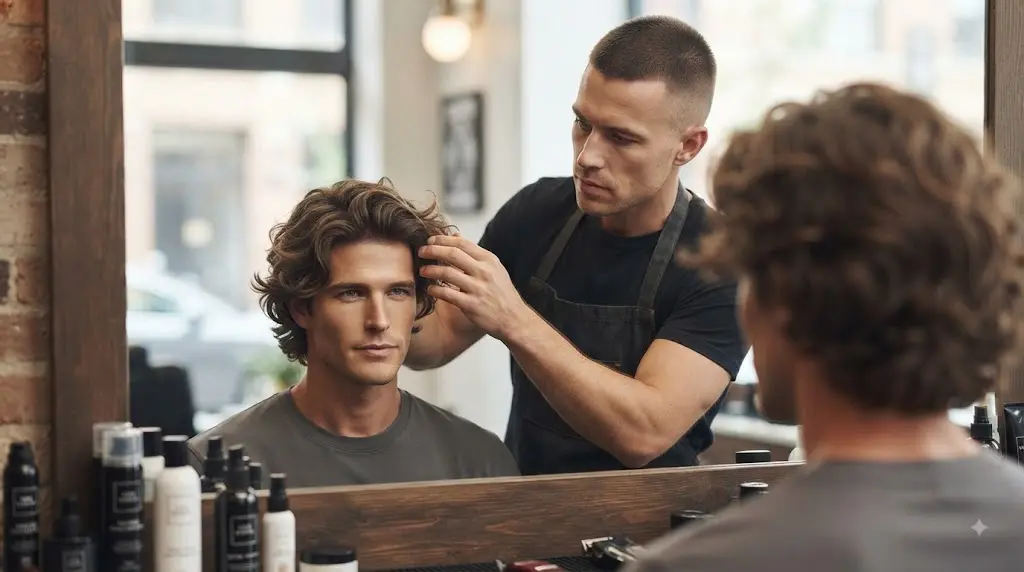
Building the Right Foundation: Cut and Texture
The cut you’re working with matters more than any product you’ll buy. Heavily blunt cuts with no layering tend to read as either sleek or messy, with very little natural-looking middle ground. A cut with soft internal layering — even subtle — gives texture somewhere to move, which is what makes a natural finish look intentional rather than accidental.
If you’re not ready for a fresh cut, ask your stylist for a “dry cut” or texturizing trim instead, where they shape the ends specifically around how your hair falls when it’s not styled. It’s a smaller commitment with a noticeable payoff.
The Wash Routine That Supports This Look
Natural-looking hair almost always starts in the shower, not at the styling stage. A few adjustments make a real difference:
- Wash less frequently if your hair can handle it — natural oils help texture hold its shape.
- Use a lightweight conditioner concentrated on the mid-lengths and ends, not the roots, to avoid weighing hair down.
- Apply a leave-in product to damp hair, not dry hair, so it distributes evenly instead of sitting on top.
- Avoid rough towel-drying; a microfiber towel or an old cotton T-shirt reduces frizz significantly.
Styling Techniques by Hair Type
Straight Hair
Straight hair is often the hardest to make look “naturally textured” because it has the least built-in movement. A sea salt or texturizing spray applied to damp hair, scrunched rather than brushed through, adds the slight bend needed to avoid a flat, one-dimensional finish. Air-dry as much as possible, and if you do use a dryer, a diffuser attachment on low heat helps preserve movement instead of smoothing it away.
Wavy Hair
Wavy hair usually just needs encouragement, not correction. Scrunch a lightweight curl cream into damp hair, then let it air-dry or diffuse on low heat. Avoid brushing once dry — this breaks up the wave pattern and creates frizz instead of definition. A light shine serum on the ends after drying keeps waves looking healthy rather than dry.
Curly Hair
Curly hair benefits from the “praying hands” method — smoothing product through sections using flat palms rather than fingers, which keeps curl clumps intact instead of separating them into frizz. Style on soaking wet hair rather than just-damp hair for better curl definition, and resist touching it until it’s fully dry.
Coily Hair
Coily hair holds moisture the least easily of all texture types, so a heavier leave-in or cream-based styler is usually necessary, not optional. Detangle gently with a wide-tooth comb on wet, conditioner-coated hair to minimize breakage, and consider protective styling between wash days to reduce daily manipulation while keeping the look intact.
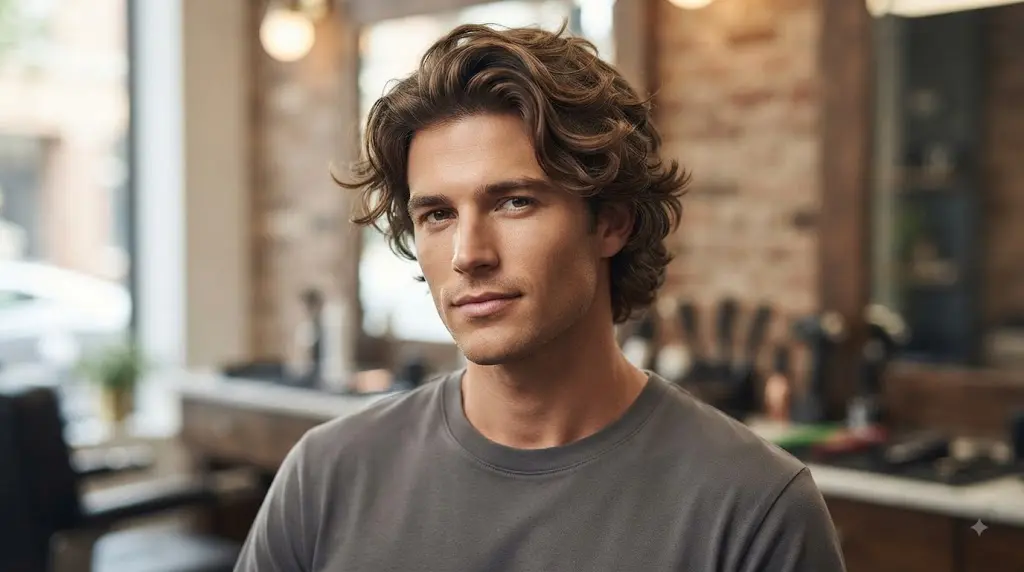
Air-Drying vs. Heat Styling for a Natural Look
| Air-Drying | Heat Styling | |
|---|---|---|
| Texture result | Enhances natural pattern | Can flatten or override texture |
| Time investment | Longer, but hands-off | Faster, but hands-on |
| Damage risk | Minimal | Higher with frequent use |
| Best for | Most natural-hair goals | Occasional sleek finishes |
| Maintenance | Lower long-term | Higher long-term |
Style Tip If you’re short on time but still want texture, diffuse on low heat rather than skipping styling altogether — it keeps roughly 80% of the benefit of air-drying in a fraction of the time.
Color Choices That Support a Natural Finish
Color can either support this look or work against it. Soft, blended techniques — where color melts gradually from roots to ends rather than shifting sharply — read as far more natural than high-contrast highlights, and they also require noticeably less upkeep as they grow out. Warmer tones tend to look more natural against most skin tones than very cool or icy shades, which can read as more obviously “done.” If you’re curious about which specific shades are trending this season, our breakdown of the hair colors trending in 2026 covers the options worth discussing with your colorist.
Accessories and Finishing Touches
Natural hair doesn’t need much help, but a few finishing choices elevate it without undoing the effect:
- A thin, flexible headband or scarf softens texture without flattening it.
- Loose, low buns or half-up styles work with undone texture instead of fighting it.
- Minimal, dewy makeup tends to complement this look better than a fully matte finish — if you’re refining your everyday routine, the current makeup trends fashion editors are loving right now lean the same lightweight direction.
Seasonal Considerations
Humidity and dry air both change how texture behaves, so your routine should shift with the seasons rather than stay fixed year-round.
- Humid months: Use an anti-humidity serum and avoid over-brushing, which encourages frizz.
- Dry, cold months: Add a heavier leave-in or hair oil to prevent texture from looking brittle rather than soft.
- Transitional seasons: A lightweight, buildable cream gives flexibility as conditions shift week to week.
Common Styling Mistakes to Avoid
- Overloading damp hair with product, which creates a heavy, greasy look rather than a natural one.
- Brushing curly or wavy hair once it’s dry, which breaks up texture into frizz.
- Skipping trims entirely — natural texture still needs shape maintenance every 8–10 weeks to look intentional rather than overgrown.
- Using high heat “just this once” too often, which undoes weeks of texture-building work.
- Choosing products marketed for sleek, smooth styles when your goal is texture — check the label’s intended finish, not just the brand.
Budget vs. Premium Product Picks
| Budget-Friendly Approach | Premium Approach | |
|---|---|---|
| Leave-in product | Drugstore lightweight leave-in spray | Salon-grade leave-in cream |
| Texturizing product | Basic sea salt spray | Texturizing spray with heat protection |
| Diffusing tool | Attachment for an existing dryer | Dedicated ionic diffuser dryer |
| Finishing product | Multi-use hair oil | Targeted shine serum |
| Approximate cost range | Under $15 per product | $25–$45+ per product |
Both approaches can produce a genuinely natural finish — the premium tier mainly buys convenience, finer control, and slightly longer-lasting results, not a fundamentally different outcome.
Pairing Natural Hair With the Rest of Your Look
Undone hair reads best when the rest of your styling isn’t overworked either. It pairs naturally with relaxed tailoring, easy denim, and simple accessories rather than anything overly structured or formal. If you’re building a wardrobe around this lower-effort, higher-impact approach, our guide to creating a capsule wardrobe follows the same philosophy — fewer, more intentional choices that still look put-together.
Style Tip Keep jewelry simple when your hair is doing the visual work. A single statement piece — like a pair of well-chosen earrings — is usually enough.
Frequently Asked Questions
Does natural-looking hair mean I can skip regular trims? No. Texture still grows out unevenly, and a trim every 8–10 weeks keeps the shape looking intentional rather than simply overgrown.
Can I get this look with color-treated hair? Yes, as long as the color technique itself is soft and blended. Sharp, high-contrast color tends to compete with a natural, undone finish rather than support it.
Is heat styling completely off-limits? No. Occasional low-heat diffusing is fine and often necessary. The goal is reducing high-heat, high-frequency styling, not eliminating heat tools entirely.
How long does it take to transition from a heavily styled routine to this look? Most people notice a real difference within 4–6 weeks, once hair recovers some natural oil balance and a texture-appropriate cut has grown in slightly.
Will this work if my hair is very fine? Yes, though fine hair usually needs lighter, smaller amounts of product to avoid looking weighed down — a texturizing spray tends to work better than heavier creams.
What’s the biggest mistake people make trying to achieve this look? Treating “natural” as an excuse to skip a routine entirely. The look requires a lighter routine, not no routine.
Bringing It All Together
Natural-looking hair rewards a lighter touch, not a lack of effort. The right cut, a wash routine that supports texture instead of stripping it, and a small, well-chosen product lineup do most of the work — the rest is knowing when to stop styling and let the texture speak for itself. Once the routine clicks, it tends to take less time than a fully styled look ever did, which is a large part of why it’s stuck around.
If you’re refining the rest of your everyday routine alongside this, our guides on choosing the perfect nail color and the best blush shades for every skin tone are worth a look next — small details that round out the same effortless approach.