Best Blush Shades for Every Skin Tone: A Complete Color-Matching Guide
Blush is one of those products that seems simple until you’re standing in front of a mirror with three different pinks and no idea which one actually belongs on your face. Get it right, and it does more for your complexion than almost anything else in your makeup bag. Get it wrong, and you end up looking flushed in the wrong way, or worse, washed out entirely.
This guide breaks down how to choose blush by undertone and skin depth, which formulas actually perform well on different skin types, and how to apply it so it looks like your skin, not your makeup. By the end, you’ll know exactly what to look for the next time you’re shopping, whether that’s at a drugstore counter or a beauty hall.
Why Undertone Matters More Than Skin Depth
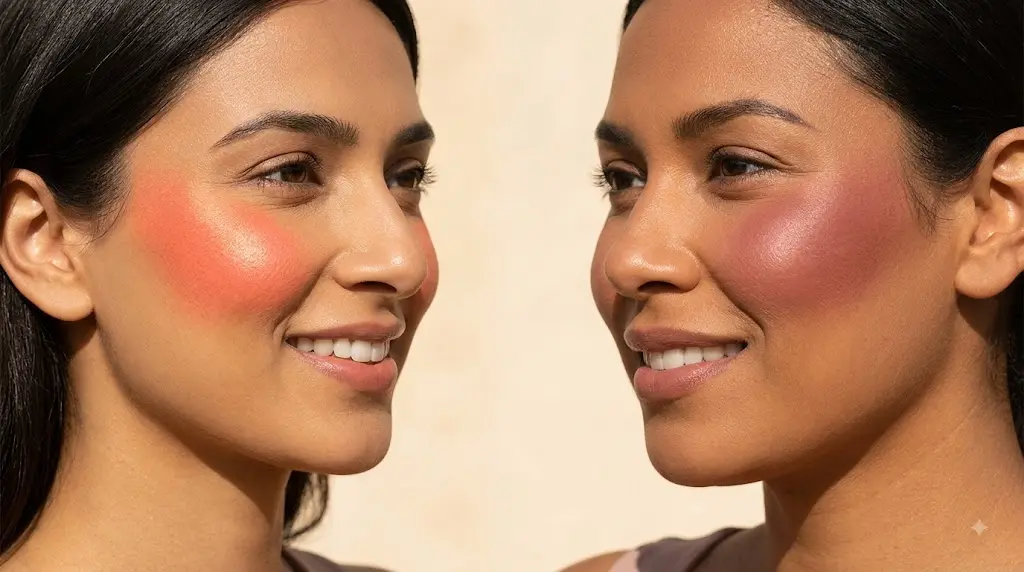
Most people shop for blush based on how light or deep their skin is. That’s only half the equation. The other half — and the part that actually determines whether a shade looks natural — is undertone: the subtle warm, cool, or neutral cast underneath your skin’s surface color.
Two people with the exact same skin depth can need completely different blush families if one leans warm and the other leans cool. That’s why a shade that looks perfect on a friend can look slightly off on you, even if your skin tones appear similar at a glance.
How to Identify Your Undertone in Under a Minute
A few quick checks can tell you most of what you need to know:
- Vein test: Look at the veins on the inside of your wrist in natural light. Green veins usually mean warm undertones; blue or purple veins usually mean cool undertones; if you see a mix, you’re likely neutral.
- Jewelry test: If gold jewelry flatters your skin more than silver, you likely lean warm. If silver looks brighter on you, you likely lean cool.
- Sun reaction: Skin that tans easily tends to lean warm; skin that burns before it tans tends to lean cool.
Style Tip Don’t overthink the undertone rules. Editors increasingly agree that texture and finish matter as much as the exact shade — a well-blended color you genuinely love can work even if it’s not a textbook match for your undertone.
Blush Shades for Fair and Light Skin Tones
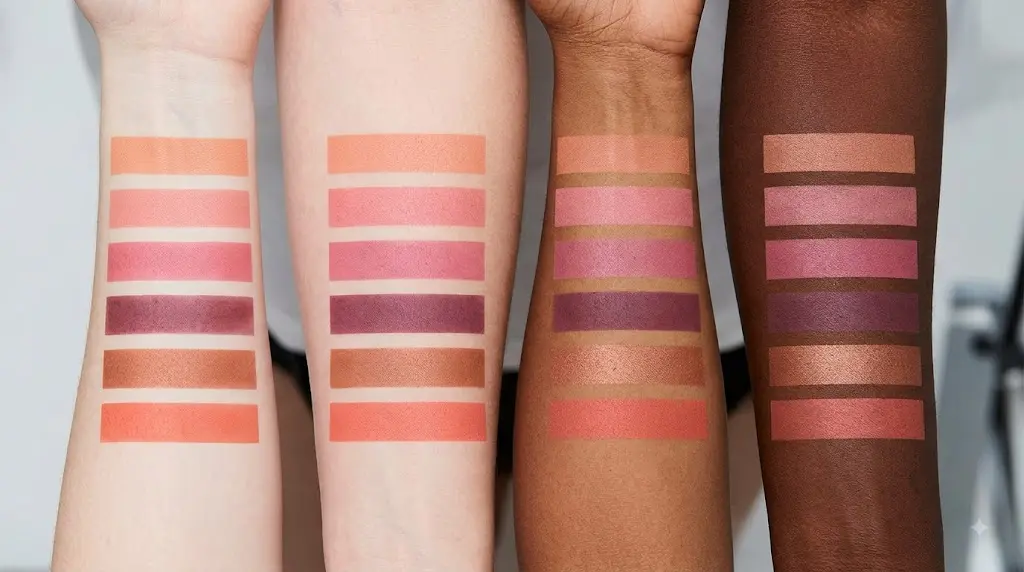
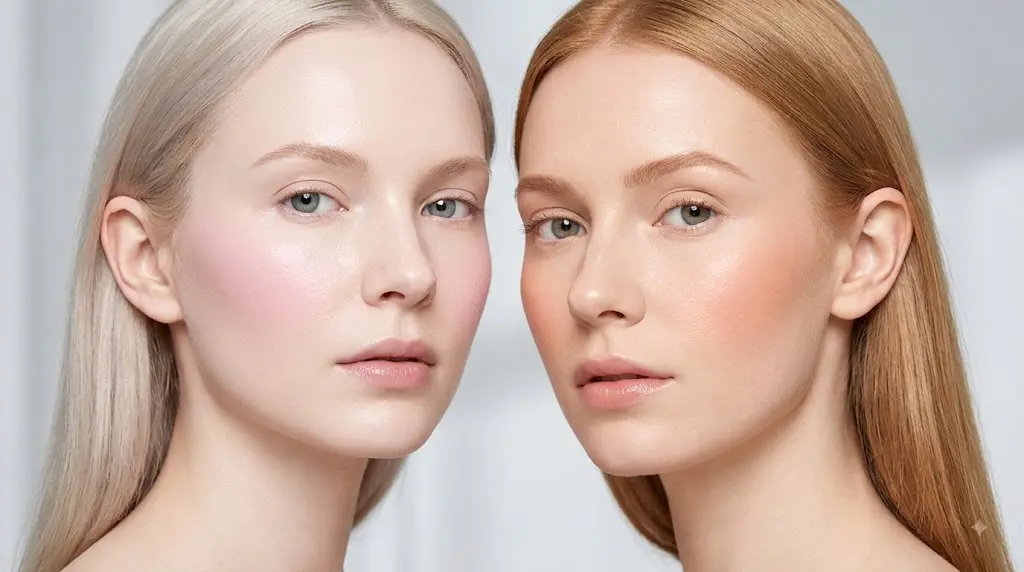
Fair skin shows color quickly, which means the biggest risk isn’t picking the “wrong” shade — it’s applying too much of the right one. Soft, low-saturation shades tend to look the most natural here.
Best shade families: dusty rose, soft peach, light coral, and pale pink for cool-to-neutral undertones; warm peach and soft apricot for warmer undertones.
Who it suits: anyone with fair skin who wants a natural, healthy flush rather than an obvious pop of color.
Who may prefer an alternative: fair skin with very warm undertones may find pale pink shades read slightly cool or ashy, and should lean toward peach instead.
Budget option: a sheer, buildable drugstore powder blush in a soft peachy-pink. Premium option: a finely milled powder blush with a subtle sheen that mimics a natural flush rather than sitting on top of the skin.
Blush Shades for Medium Skin Tones
Medium skin tones have more flexibility, since they can carry both muted and slightly richer shades without looking overdone. This is often the easiest tone range to shop for.
Best shade families: warm terracotta and rosy mauve for warm undertones; berry and cool pink for cool undertones; soft coral works well across both.
Who it suits: readers who want more shade options and can experiment with slightly bolder colors than fair skin typically allows.
Who may prefer an alternative: if your skin leans very neutral, avoid shades with strong shimmer, which can look patchy rather than luminous.
If you’re already thinking about how color choices tie into your broader look this season, it’s worth checking the fashion colors taking over fall 2026 before you shop, since coordinating your makeup palette with what you’re already wearing makes getting dressed noticeably faster.
Blush Shades for Tan and Olive Skin Tones
Olive undertones can be tricky because they often sit between warm and cool, which means some “warm” shades can read a little muddy and some “cool” shades can look ashy. The safest territory tends to be shades with a slight golden or brick undertone.
Best shade families: warm terracotta, brick red, and golden coral. Avoid anything with a strong blue-based pink base, which tends to fight with olive undertones.
Who it suits: anyone with olive or tan skin who wants a sun-kissed, healthy look rather than a “made-up” one.
Who may prefer an alternative: if your olive undertone leans cooler, a muted rose or warm mauve will likely blend more seamlessly than a straight terracotta.
Blush Shades for Deep and Rich Skin Tones
Deep skin tones need pigment that actually shows up — sheer, low-pigment formulas often disappear entirely rather than adding a flush. Highly saturated shades read as the most natural here, not as “too much.”
Best shade families: deep berry, brick, plum, and rich orange-red. Cream and liquid formulas with strong pigment tend to perform better than sheer powders.
Who it suits: deep skin tones looking for color that’s actually visible and doesn’t require multiple layers to show up.
Who may prefer an alternative: if you prefer a barely-there look, a cream blush in a sheer plum will still register more clearly than a powder in the same shade family.
Skin Tone and Blush Shade Quick Reference
| Skin Tone | Best Shade Families | Finish to Look For |
|---|---|---|
| Fair | Dusty rose, soft peach, pale pink | Sheer, buildable, subtle sheen |
| Medium | Terracotta, mauve, berry, coral | Satin or soft matte |
| Tan/Olive | Brick, golden coral, warm terracotta | Cream or gel for a natural flush |
| Deep | Berry, plum, brick, orange-red | Highly pigmented cream or liquid |
Powder, Cream, or Liquid: Choosing the Right Blush Formula
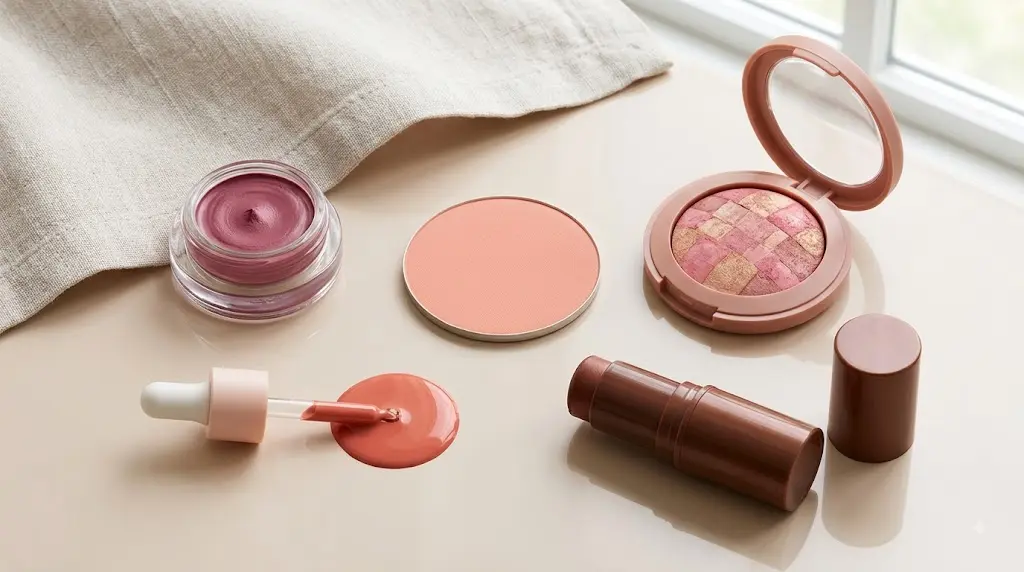
The shade is only half the decision. Formula affects how long blush lasts, how it photographs, and how it interacts with your skin type.
| Formula | Best For | Longevity | Application |
|---|---|---|---|
| Powder | Oily or combination skin | Moderate | Fluffy brush, buildable layers |
| Cream | Dry or mature skin | Long-lasting | Fingertips or damp sponge |
| Liquid | A natural, skin-like finish | Long-lasting | Fingertips, small dabs blended fast |
Powder blush is the easiest to control and layer, which makes it a safe starting point if you’re still learning your ideal shade. Cream and liquid formulas tend to melt into the skin for a more “your skin but better” look, though they require faster blending since they set quickly.
Style Tip If your skin is oily, set cream or liquid blush with a light dusting of translucent powder over the top so it doesn’t shift or fade by midday.
How to Apply Blush for a Natural, Long-Lasting Flush
- Smile gently to find the natural apple of your cheek — this is where color occurs naturally when you blush.
- Apply product in small amounts, building gradually rather than applying heavily at once. Blush is far easier to add than to remove.
- Blend upward and outward toward the temples for a lifted effect, rather than applying in a flat circle.
- Check your work in natural light, not just artificial bathroom lighting, since undertones can shift dramatically between the two.
Common Blush Mistakes That Age Your Makeup
- Applying too low on the cheek, which can drag the whole face down instead of lifting it
- Choosing a shade based on the packaging color rather than swatching it against your actual skin
- Skipping blending when using cream or liquid formulas, leaving visible harsh edges
- Matching blush to lipstick exactly, which often looks flat instead of dimensional
- Ignoring finish, since a shimmer that photographs beautifully can look heavy in person under harsh light
Budget-Friendly and Premium Blush Picks Worth Trying
You don’t need a premium blush to get a professional-looking result — formula quality matters more than price point, though premium options often offer more refined pigment blending and finish.
- Budget-friendly: drugstore cream sticks and powder blushes now rival higher-end formulas in pigment and blendability, especially in universally flattering shades like soft coral and rosy mauve.
- Premium: luxury cream and liquid blushes are worth the investment if you want a formula engineered to adapt slightly to your individual skin chemistry, giving a more custom-looking flush.
Building Blush Into Your Everyday Beauty Routine
Blush works best as part of a coordinated look rather than an isolated step. If you’re refining your everyday routine, it’s worth pairing your blush choice with our guide to choosing the perfect nail color, since warm and cool undertone logic applies there too, and keeping your palette consistent across your face and hands creates a more polished overall effect.
It’s also worth revisiting your routine seasonally rather than sticking with the same shade year-round. Skin tone can shift slightly with sun exposure, and what worked in winter may read too pale or too warm by summer.
Blush Trends Fashion Editors Are Watching Right Now
Editors have moved away from treating blush application as a strict rulebook. The current approach favors buildable, lightweight layers over heavy, precise placement, along with a wider embrace of bolder shades — including reds and berries once considered risky — as a sign of a healthy, natural flush rather than something to avoid. If you want to see how this is playing out in real testing, Vogue Scandinavia’s blush coverage is a useful reference point, as is Marie Claire’s rundown of the season’s flattering shades.
For a broader look at what’s shaping beauty and styling choices more generally this season, the makeup trends fashion editors are loving right now is a good next read, along with this year’s biggest fashion trends if you want to see how color choices are showing up beyond the makeup bag.
Frequently Asked Questions
Is it better to apply blush before or after foundation?
Apply blush after foundation and concealer, but before setting powder. This lets you build color on top of an even base and adjust placement more precisely.
Can I use the same blush shade for both a natural and a glam look?
Yes, but adjust the amount and finish. A sheer layer of the same shade works for daytime, while building it up with a slightly more shimmery topcoat can take it into evening territory.
What’s the difference between blush and bronzer?
Blush adds color and warmth specifically to the cheeks to mimic a natural flush. Bronzer adds warmth and dimension across the face to mimic a sun-kissed glow. They serve different purposes and can be used together.
How do I keep blush from fading throughout the day?
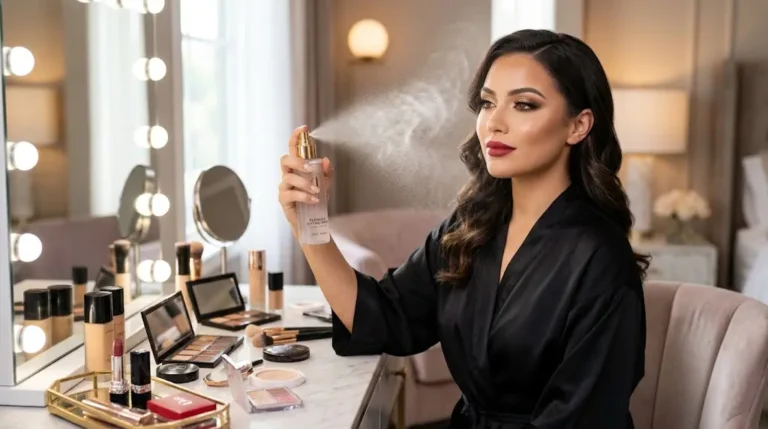
Set powder blush with a light mist of setting spray, or apply cream blush before powder products so it has a chance to grip the skin before other layers go on top.
Does face shape affect where I should apply blush?
Yes. Rounder faces often benefit from angling blush toward the temples to add lift, while longer face shapes can apply it more horizontally across the cheeks for balance.
Can mature skin wear shimmer blush?
Yes, but a fine, soft shimmer tends to look more flattering than a chunky glitter finish, which can settle into fine lines and emphasize texture rather than glow.
Finding Your Perfect Flush
The right blush comes down to fewer variables than most product roundups suggest: your undertone, a formula suited to your skin type, and a light, buildable hand during application. Once you’ve identified your shade family, the rest is largely about technique — and that’s something you can refine every time you apply it.
If you’re rethinking your beauty routine alongside your wardrobe this season, it’s worth looking at how your color choices work together across your whole look, from your cheeks to your nails to what you’re actually wearing.