New York Fashion Week 2026: What to Expect This Season
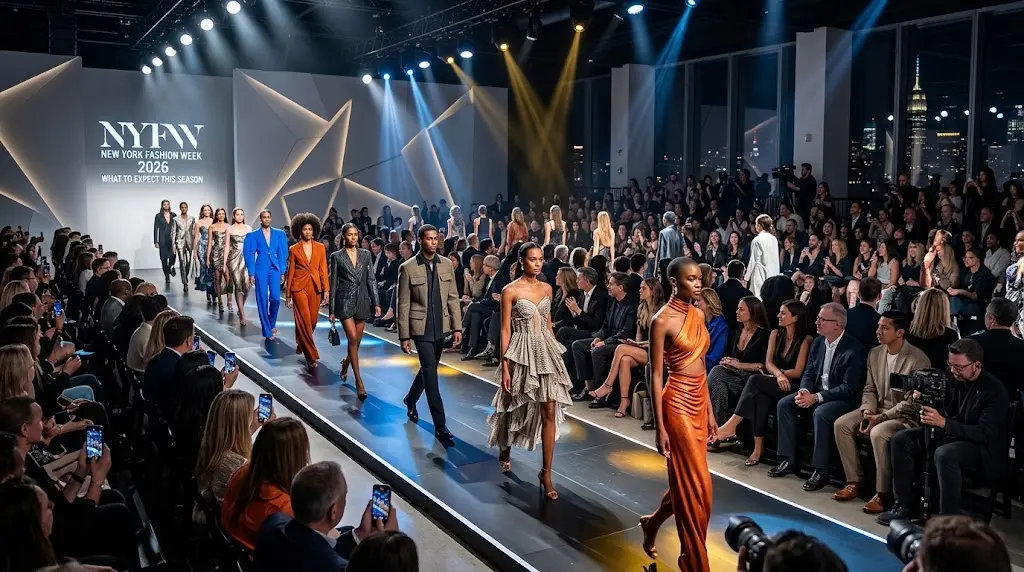
New York Fashion Week returns this September, and the 2026 edition carries more weight than most. From September 10 through 15, the city’s runways will reveal the Spring/Summer 2027 collections — but this season isn’t just about new silhouettes. It’s the first time every brand on the official schedule will show under the CFDA’s new fur-free rule, a shift the industry has been building toward for years. Add a Diane von Furstenberg comeback, a historic debut for Indian couturier Sabyasachi, and a color story that swings between electric cobalt and warm terracotta, and you get a week worth actually paying attention to. Here’s what’s happening, which trends deserve a spot in your closet, and how to wear them without starting your wardrobe over.
When New York Fashion Week 2026 Actually Happens
The official CFDA schedule runs from Thursday, September 10, through Tuesday, September 15, 2026. It’s worth knowing why the math feels odd: September shows always preview the following year’s spring and summer collections, so this season is officially “Spring/Summer 2027,” even though it happens in the fall of 2026. Designers need the lead time to get pieces into stores months ahead of the season they’re meant for.
Diane von Furstenberg opens the week on September 10. It’s her first live runway show in a decade, and it also marks the debut of new artistic director Henry Zankov. Thom Browne closes the week on September 15, a fitting bookend given his shows have defined the week’s most theatrical moments for two decades.
Ahead of the official start, Ralph Lauren shows on September 9, sticking to his long-standing habit of presenting on his own calendar. Coach and Rachel Comey, who’s marking her 25th anniversary this season, also show that evening. One scheduling detail worth noting: Friday’s shows won’t start before 10 a.m., out of respect for the 25th anniversary of September 11, which falls during fashion week this year.
Why This Season Feels Different
A Fur-Free Runway, Officially
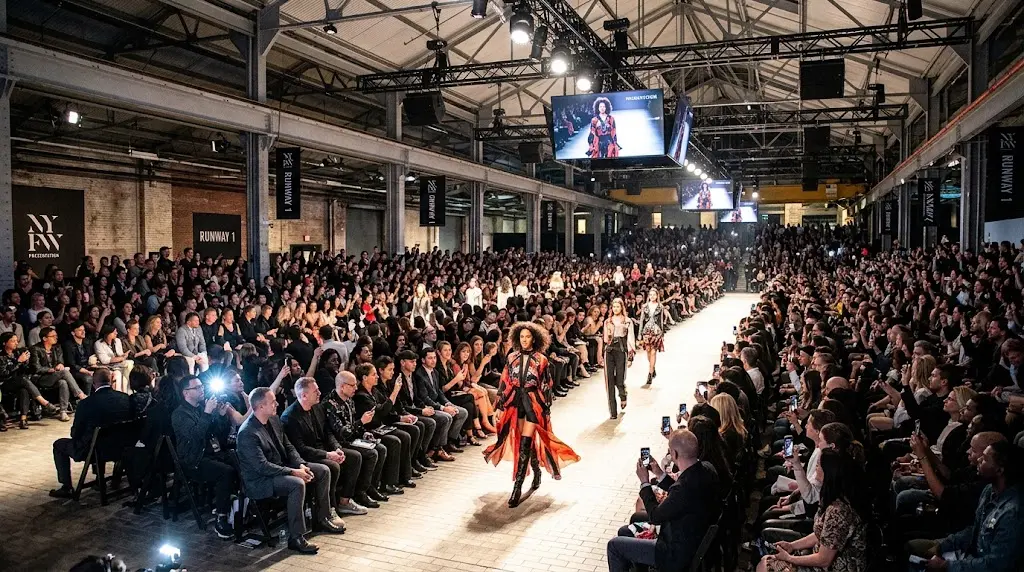
The biggest story of the season isn’t a trend — it’s a policy. Announced in the CFDA’s official schedule release, the fur-free rule is now fully in effect for every brand on the official NYFW calendar. No fur, of any kind, will appear under the official schedule this season. That pushes designers toward faux fur, brushed and boiled wool, shearling alternatives, and recycled fibers — and it puts New York ahead of several other major fashion capitals on this specific issue.
For shoppers, this matters beyond the runway. It’s a signal that mainstream, market-ready fashion (which is exactly what NYFW is known for, compared to Milan’s luxury focus or Paris’s couture leanings) is treating sustainable materials as a baseline, not a niche add-on.
New Names, Global Reach
This season welcomes ten new designers to the official schedule, and the additions reflect how far NYFW’s reach has grown. Sabyasachi, the celebrated Indian couturier, makes his official NYFW debut on September 15 — a meaningful moment for South Asian representation on the American fashion calendar. Magda Butrym and COS also join, alongside a handful of emerging names supported by the CFDA/Vogue Fashion Fund.
A few beloved brands are returning too: Tommy Hilfiger, Monse, threeASFOUR, and Calvin Klein Collection, which is back on the official calendar after a recent absence. Some houses — including Alice + Olivia, LoveShackFancy, Lafayette 148, Norma Kamali, and Kozaburo — are opting for intimate presentations instead of full runway shows this season, which tend to be easier for first-time attendees to access.
The Silhouette Story: Structured Tailoring Takes the Lead
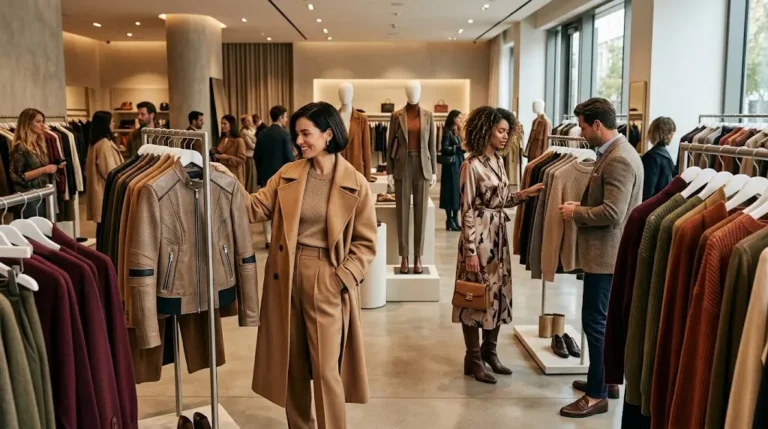
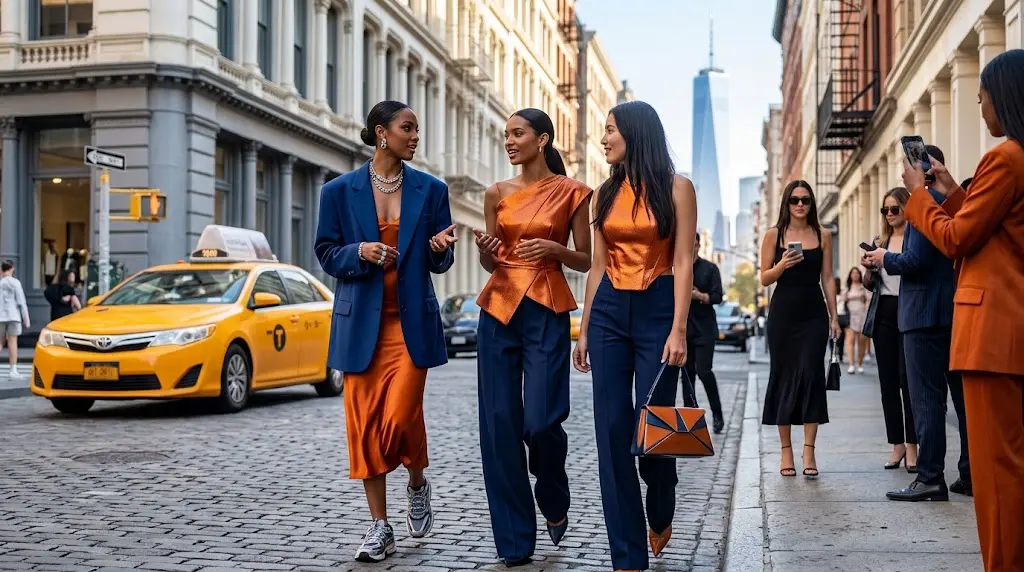
After a few maximalist seasons, the runway is pulling back toward precision. Early previews from Michael Kors Collection and Calvin Klein Collection point to power shoulders, clean lapels, and elongated blazers — tailoring with an American, get-it-done sensibility. It reads as confident without looking stiff, which is exactly why it’s translating so easily to street style.
This look suits anyone who wants a polished, put-together silhouette for work or evening events, and it’s especially flattering if you like clothes with a defined shape. If you lean toward softer, fluid dressing, you don’t need to abandon that — an oversized blazer or an unstructured cardigan captures the same confident mood without the same rigidity.
Outfit ideas:
- An elongated blazer with wide-leg trousers and pointed flats
- A structured vest layered over a plain white shirt with straight-leg jeans
- A boxy blazer worn as a dress, cinched with a slim belt
If you’re building out trousers to pair with new tailored pieces, our guide on how to style wide-leg jeans covers the proportions that work best with a structured top half.
Color combinations: cobalt blue blazer with cream trousers, all-camel from head to toe, or classic black and white for evening.
Fabric recommendations: crisp wool blends hold structure best; lightweight cotton twill works for warmer months; stretch-blend suiting keeps things comfortable if you’re wearing tailoring daily.
Accessories and footwear: a structured bag and a statement belt do more work than layered jewelry here. For shoes, pointed-toe flats, loafers, or kitten heels suit daytime, while a sleek pump carries the look into evening.
Style Tip A single structured blazer works harder than a whole new wardrobe. Button it over a slip dress for evening, or wear it open over a plain tee and jeans for daytime.
Budget-friendly route: a well-cut blazer from a mid-range retailer, tailored to fit at the shoulders and sleeves — fit is what sells this look, not the price tag. Premium route: an investment piece from Michael Kors Collection or Calvin Klein Collection, or a made-to-measure blazer from a local tailor.
Common mistakes to avoid:
- Sizing up too much and losing the shoulder line
- Pairing structured pieces with equally rigid bottoms, which can look stiff instead of polished
- Skipping alterations — even a great blazer needs a proper hem and sleeve length
| Feature | Structured Tailoring | Relaxed Tailoring |
|---|---|---|
| Silhouette | Defined shoulder, clean lines | Soft shoulder, easy drape |
| Best for | Work events, evening functions | Everyday wear, travel |
| Layering | Pairs well with slim knits | Pairs well with oversized layers |
| Fabric weight | Structured wool, twill | Soft wool blends, jersey |
| Mood | Polished, confident | Comfortable, unfussy |
Care note: structured wool pieces should be dry cleaned sparingly and stored on a shaped hanger to keep the shoulder line intact between wears.
Color of the Season: Electric Blue Meets Earthy Warmth
Color forecasters at WGSN and Coloro named Luminous Blue, Energy Orange, Pop Pink, Meadowland Green, and Clay as the defining shades of Spring/Summer 2027, and early NYFW previews are already picking up that palette. At the same time, a second, quieter color story is running alongside it — warm neutrals like almond, camel, and chocolate, plus a soft modern taupe.
The mood this season balances two instincts: bold, optimistic color and grounded, nature-inspired neutrals. You don’t have to choose one lane. Luminous Blue, a deep cobalt, flatters nearly every skin tone and works as a genuinely wearable alternative to head-to-toe black. Terracotta and camel lean warmer and suit warm undertones especially well, though the right fabric can make either work on anyone.
If bold color feels intimidating, treat it as an accent rather than a full outfit. A single trend-color piece — a bag, a pair of shoes, a blazer — does plenty of work on its own.
Outfit ideas: a cobalt blazer with crisp white trousers, a terracotta knit over straight denim, or a fully monochrome camel look for a polished, no-thinking-required outfit.
Fabric recommendations: linen and cotton poplin suit the earth-tone pieces in warm weather; a touch of shine — satin, or a liquid-finish jersey — works well for evening blue or pink pieces.
Seasonal suitability: the earth tones transition easily into fall, while the brighter blues and pinks feel most at home in spring and summer.
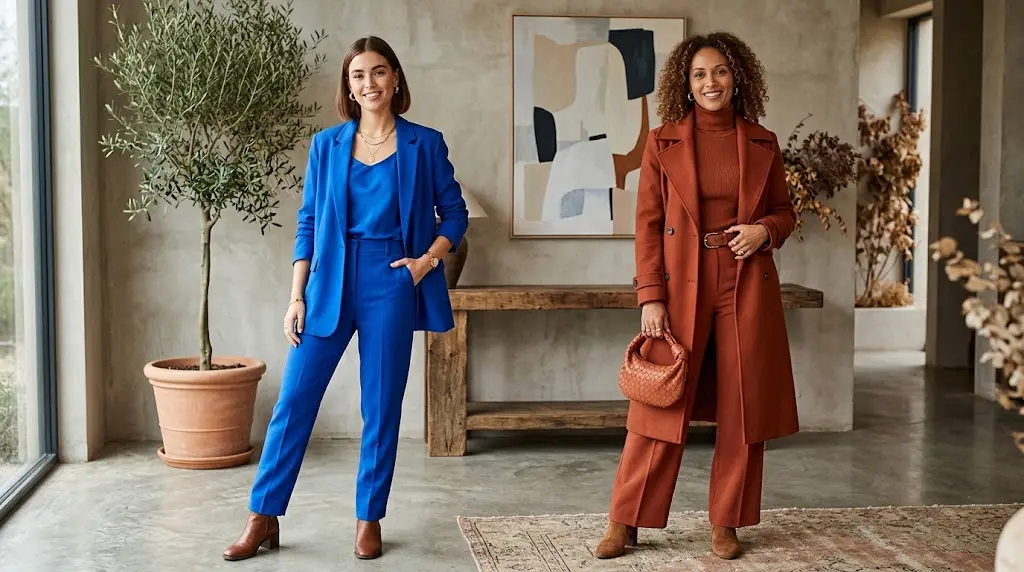
Style Tip If bold color feels risky, start with shoes or a bag instead of a full outfit. A pair of Luminous Blue flats does more for a neutral outfit than you’d expect.
Budget route: pick up one trend-color top or accessory instead of rebuilding your wardrobe around it. Premium route: invest in a camel coat or chocolate leather bag — both are classic enough to outlast the trend cycle.
Mistakes to avoid: wearing several trend colors at once without a neutral to ground them, and ignoring your undertone when choosing between a cool blue and a warm terracotta.
Fabric Focus: Quiet Metallics and Bold Stripes
Two fabric stories are shaping up this season. Metallic fabrics are having a moment, but a softer one — think plissé (a finely pleated fabric) and liquid-finish jersey instead of full lamé gowns. The shimmer is subtler and moves with the body, which makes it far easier to wear outside of a red carpet. At the same time, stripes have become the season’s most visible print, showing up in both classic horizontal lines and unexpected diagonal placements across shirting, trousers, and outerwear, with checks close behind.
Metallics suit anyone who wants evening polish without going full sequins, while stripes and checks are close to universally flattering once you scale the pattern to your frame — smaller stripes for a more delicate look, wider ones for more visual impact.
Outfit ideas: a metallic top layered under a sheer blouse for daytime, a pinstripe trouser suit for the office, or a gingham skirt worn with a plain knit.
If you want a deeper breakdown of what’s showing up on runways and in stores right now, our guide to fabrics trending in fashion covers texture and material choices in more detail.
Footwear and accessories: keep shoes simple when you’re wearing a striped or metallic piece — let the print or the shine do the talking rather than competing with a bold shoe.
Mistakes to avoid: mixing multiple bold prints without a shared color to tie them together, and choosing a stiff, plasticky metallic fabric instead of one with real movement.
Care note: metallic fabrics should be hung, not folded, to avoid permanent creasing, and steamed rather than ironed directly.
Here’s how traditional fur compares to the alternatives defining this season’s runways:
| Feature | Traditional Fur | Fur-Free Alternatives |
|---|---|---|
| Material | Animal fur | Faux fur, recycled fibers, brushed wool |
| Care | Specialty cold storage, professional cleaning | Machine or hand wash, depending on fabric |
| Texture | Naturally dense and warm | Increasingly close in texture and warmth |
| Price range | High and variable | Wide range, often more accessible |
| NYFW runway status | Phased out under CFDA policy | Standard across the official schedule |
How to Translate These Trends Into Your Everyday Wardrobe
Runway trends are only useful if they actually make it into your closet. The easiest approach is to treat this season like a set of building blocks rather than a full outfit to copy exactly.
Wardrobe essentials worth adding this season:
- One structured blazer in a neutral or the season’s blue
- A striped basic — a shirt or knit works for almost any body type
- A leather bag in camel or chocolate
- One trend-color accessory to freshen up existing outfits
If you’re not sure how these pieces fit into what you already own, our complete guide to building a capsule wardrobe is a good starting point for figuring out which new pieces are worth the investment.
Common mistakes when chasing runway trends:
- Buying a full head-to-toe “runway look” instead of one or two standout pieces
- Ignoring your existing wardrobe and starting from scratch
- Chasing every trend color at once instead of picking what suits you
- Not considering your actual climate and lifestyle before buying
Accessories and Footwear Worth Watching
Bags this season are leaning structured and clean-lined, which mirrors the tailoring story happening on the runway. Footwear is following a similar path: pointed-toe flats and loafers for daytime, sleek, minimal heels for evening. If you want a fuller rundown of what’s shaping up for bags specifically, our breakdown of the season’s handbag trends goes into more detail on shapes and materials worth shopping now.
Style Tip Let one piece carry the shine. If your bag has a metallic finish, keep jewelry minimal so the look doesn’t compete with itself.
Budget route: a structured tote in a neutral color works across seasons and outfits. Premium route: a well-made leather bag in camel or chocolate is a genuine long-term investment.
Mistakes to avoid: over-accessorizing a structured outfit — tailoring already makes a statement, so let it lead.
Street Style: What’s Already Happening Outside the Shows
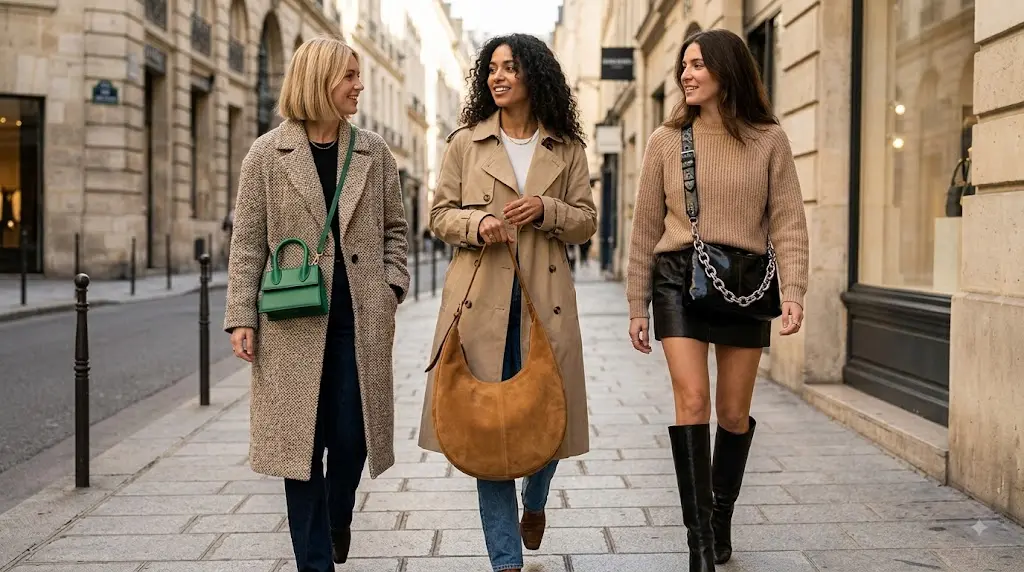
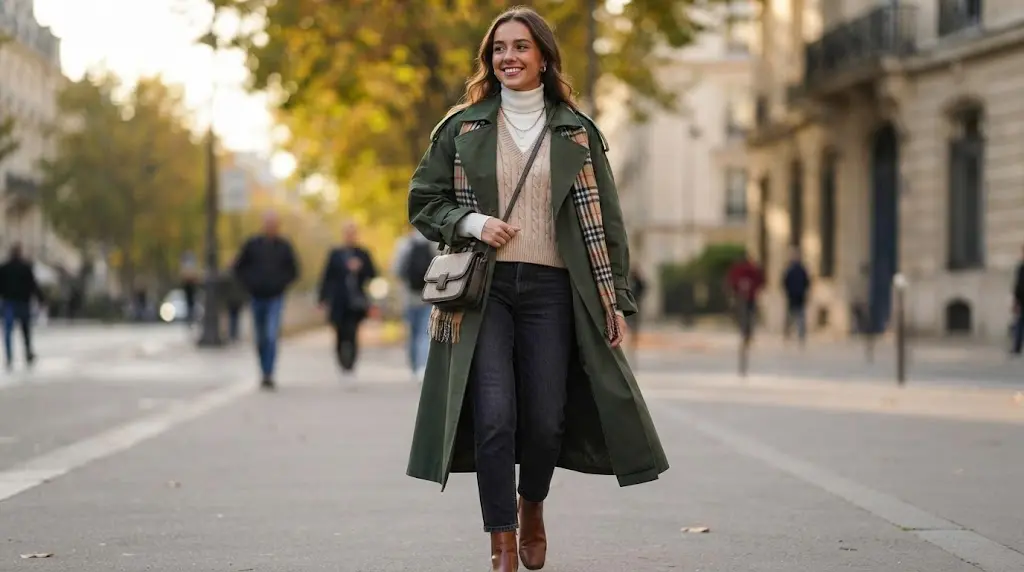
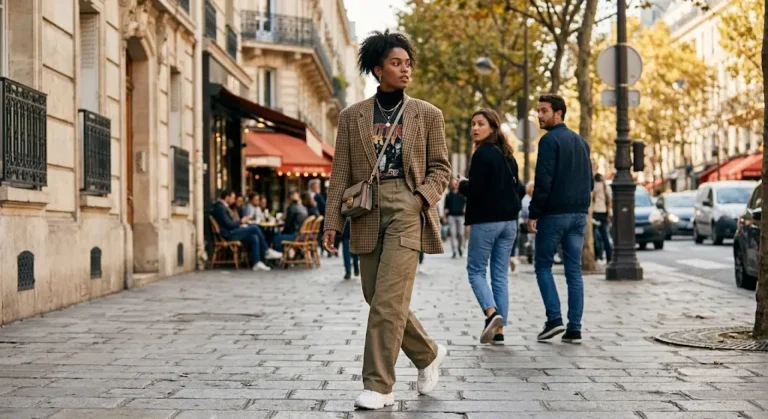
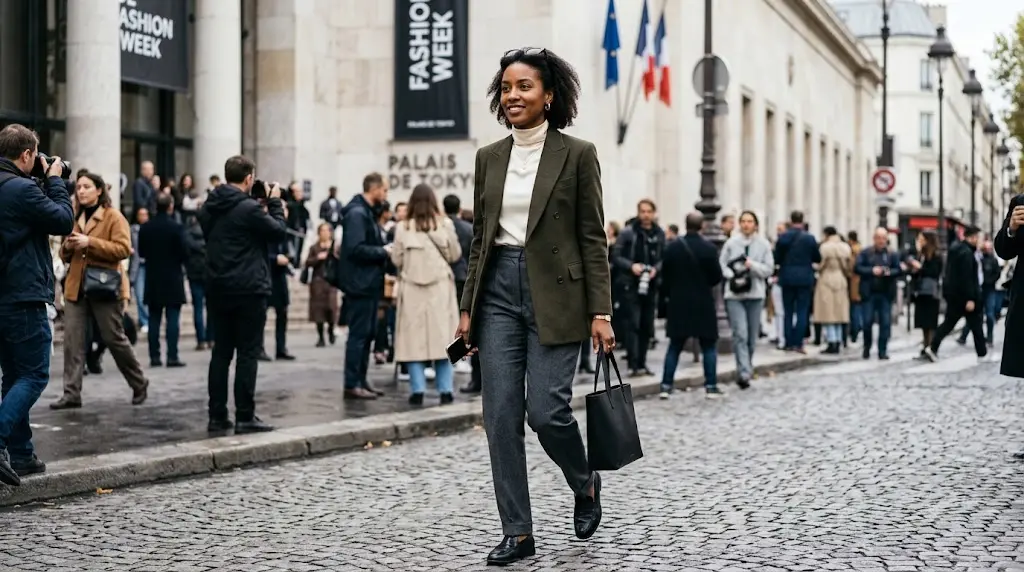
Street style outside the venues often previews a season’s direction before a single show starts, and this year the sidewalk mood is shifting away from the maximalism of recent seasons toward something more considered. Tailored jackets, simple color pairings, and fewer competing prints are showing up more often among editors, buyers, and stylists — a preview of the same restraint the runway itself seems to be embracing.
Frequently Asked Questions
When is New York Fashion Week 2026?
The official CFDA schedule runs from Thursday, September 10, through Tuesday, September 15, 2026, with a handful of shows, including Ralph Lauren’s, presenting the evening before on September 9.
What season’s collections does NYFW show in September?
September shows always preview the following year’s Spring/Summer collections, so this September’s shows are officially “Spring/Summer 2027,” even though the event happens in fall 2026.
Can I attend NYFW as a member of the public?
Most shows on the official CFDA schedule are invite-only, reserved for press, buyers, and industry guests. Separately, other producers run their own ticketed public events under the “New York Fashion Week” name during the same week — those are worth researching individually if you want a public-facing experience, since they aren’t part of the official CFDA calendar.
What is the CFDA’s fur-free policy, and why does it matter this season?
Announced in September 2025, the policy bans fur of any kind from the official NYFW schedule, and this is the first season it’s fully enforced for every participating brand. It’s pushing designers toward faux fur, recycled fibers, and heritage materials like brushed and boiled wool.
What are the biggest color trends for Spring 2027?
Expect a mix of bold, optimistic shades — Luminous Blue, Energy Orange, and Pop Pink — alongside a warmer, earthier palette of almond, camel, and chocolate.
How can I get the NYFW look without a designer budget?
Focus on one or two standout pieces instead of a full outfit — a structured blazer, a striped basic, or a bag in one of the season’s warm neutrals. Alterations matter more than the price tag when it comes to tailoring.
The Takeaway
This NYFW season is less about spectacle and more about substance. The runway is trading recent maximalism for considered tailoring, the color story balances boldness with calm, and the fur-free policy marks a real shift in how mainstream American fashion approaches materials. None of it requires a designer budget to try. Pick one or two pieces — a well-fitted blazer, a warm neutral bag, a striped basic — and build outward from what’s already in your closet.