How to Layer Clothes for a Stylish Look
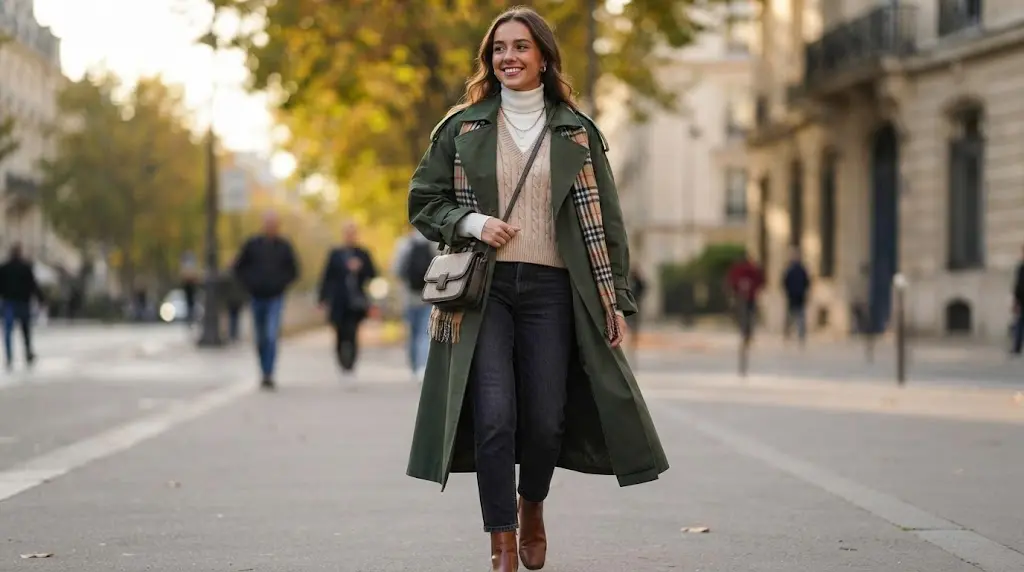
Layering has quietly become less of a cold-weather necessity and more of a styling skill in its own right. The fashion crowd isn’t just piling on clothes to stay warm anymore — they’re using layers to add texture, shape, and personality to outfits built from pieces they already own. Done well, it can make a five-piece capsule wardrobe feel like fifty different outfits.
Done poorly, though, layering can leave you looking bulky, overheated, or like you got dressed in the dark. This guide breaks down exactly how to layer with intention — which pieces go where, which fabrics actually work together, and how to adapt the formula across seasons and occasions without overthinking it every morning.
Why Layering Has Become a Year-Round Styling Habit
Layering used to mean one thing: a sweater under a coat when it got cold. That’s changed. According to recent runway and street-style coverage from WhoWhatWear, the current approach treats layering less as a way to pile on clothes for warmth and more as a deliberate styling tool for adding polish, texture, and dimension to an outfit year-round.
That shift matters for everyday dressing because it reframes layering as a tool for proportion and interest, not just warmth. A cropped cardigan over a longer shirt, or a sheer top over a fitted tank, can transform a basic outfit without adding a single new item to your closet.
It’s also become the easiest way to stretch a small wardrobe. If you’ve already built out a capsule wardrobe, layering is what turns a handful of core pieces into outfits that never feel repetitive.
The Three-Layer System: Base, Mid, and Outer
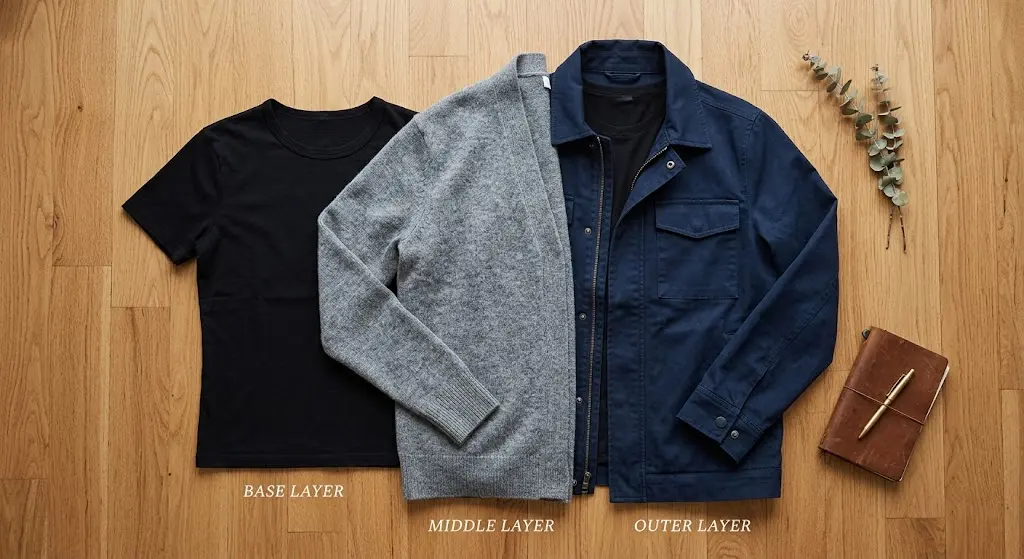
Every well-layered outfit, no matter how casual or dressed-up, follows the same basic logic: a foundation layer, a middle layer for shape and warmth, and an outer layer that finishes the look.
Base Layers That Set the Foundation
The base layer sits closest to your skin, so fit and fabric matter more here than anywhere else. It should be fitted or semi-fitted — never bulky — since everything else gets built on top of it.
- Fitted tees, tanks, or camisoles in lightweight cotton or modal
- Thin turtlenecks or mock necks for cooler months
- Silk or fine-knit long-sleeve tops that won’t add bulk under a mid layer
A common mistake is choosing a base layer that’s already thick or textured. If it’s competing for attention, it isn’t doing its job as a foundation.
Mid Layers That Add Shape and Warmth
This is where most of the personality in a layered outfit comes from. Mid layers should be looser than your base but still have enough structure to hold a shape.
- Cardigans, half-zip sweaters, and vests
- Button-downs worn open over a base layer
- Lightweight knits that can be tied, tucked, or left loose
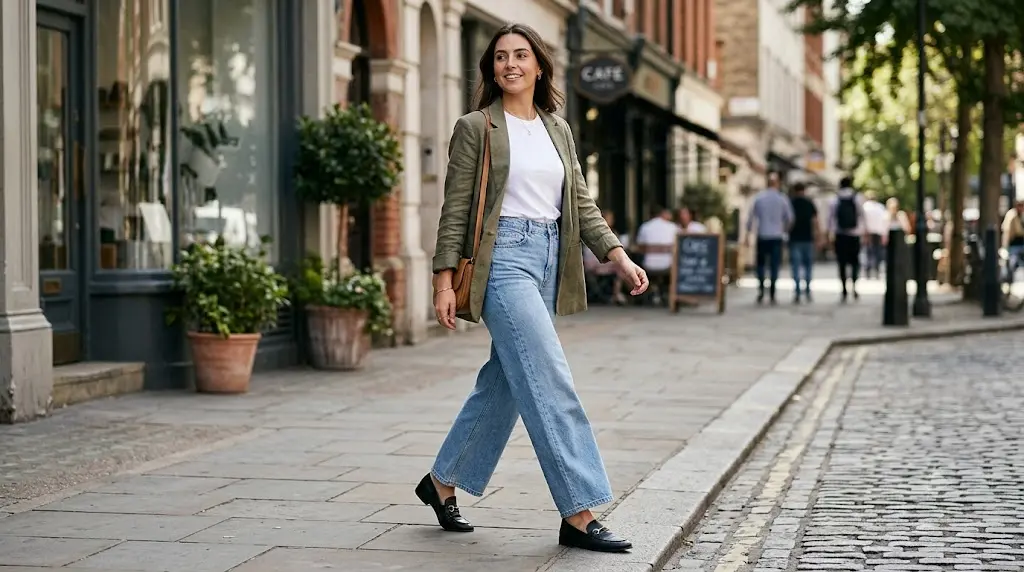
Style Tip A structured blazer paired with straight-leg jeans and simple sneakers creates a polished everyday outfit without feeling overdressed. Swap the blazer for an oversized cardigan and the same jeans read casual-cool instead.
Outer Layers That Pull the Whole Look Together
The outer layer is the one people see first, so it sets the tone for the whole outfit — polished, relaxed, edgy, or classic.
- Trench coats and wool overcoats for a polished finish
- Denim or leather jackets for a casual, textured contrast
- A funnel neck jacket for a modern, slightly architectural silhouette that works especially well over simple base and mid layers
Who Layering Works Best For (and Who Might Want to Simplify It)
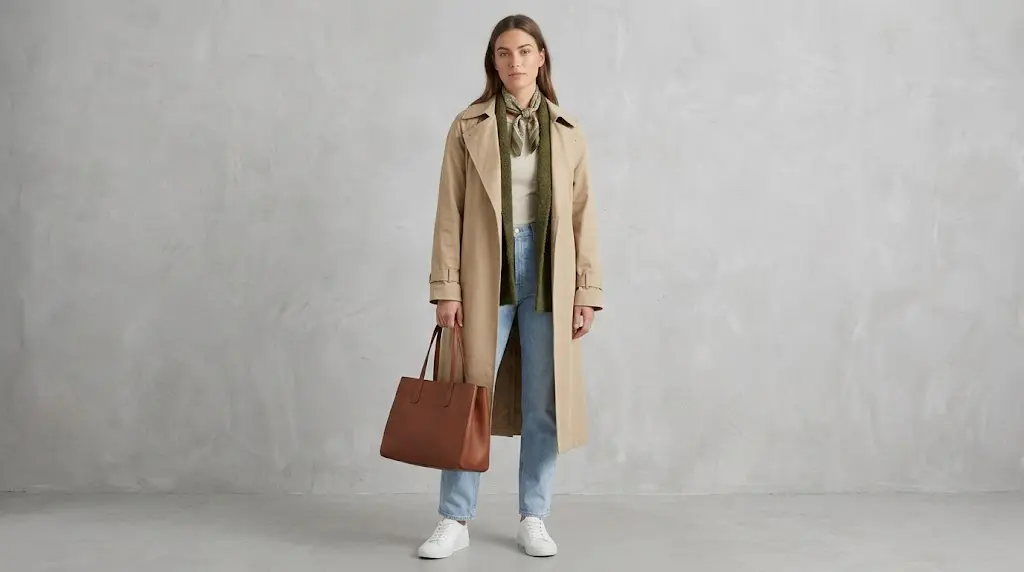
Layering rewards people who like building outfits piece by piece and don’t mind a bit of extra time getting dressed. It’s especially useful if you run cold, spend time moving between indoor and outdoor temperatures, or want more mileage from a smaller wardrobe.
It’s less natural for anyone who prefers a grab-and-go uniform, or who’s petite and finds that too many stacked layers overwhelm their frame. In that case, the fix isn’t skipping layering entirely — it’s keeping it to two layers instead of three, and choosing pieces with cropped or fitted proportions rather than voluminous ones.
Layering Through the Seasons
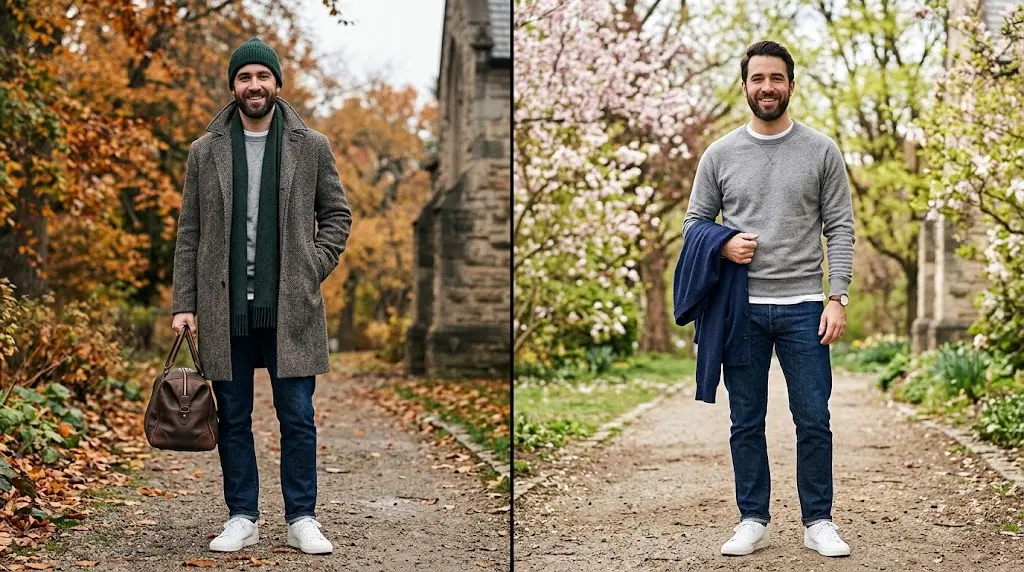
The three-layer principle doesn’t change season to season — what changes is fabric weight and how many layers you actually need.
Fall: The Sweet Spot for Layering
Fall is the easiest season to layer in because temperatures swing enough to justify two or three pieces without overheating. Think cotton base, knit mid layer, and a lightweight jacket or trench that can come off midday.
Winter: Warmth Without the Bulk
Winter layering is about insulation, not thickness. A thin merino base layer traps more warmth than a single thick sweater, which is why skiwear and outdoor brands rely on thin, technical layers rather than one heavy garment. The same logic applies to everyday winter dressing — several thin layers regulate temperature better than one bulky one.
Spring and Transitional Weather: Layering to Undress
This is where most people get layering wrong. The trick for spring is choosing pieces you can remove throughout the day — a cardigan that ties around your waist, a jacket that fits in a bag — rather than committing to a single heavy outfit that doesn’t adjust.
Color and Pattern Combinations That Look Intentional
Layering multiple garments means layering multiple colors and patterns, which is exactly where outfits start to look chaotic if there’s no plan behind it.
The easiest formula is tonal dressing — keeping every layer within the same color family but varying the shade, like a burgundy base under a rust cardigan under a camel coat. It reads as sophisticated because it looks deliberate, not accidental.
If you want contrast, limit it to two colors total across all layers, and let one neutral (black, white, camel, or grey) anchor the rest. Patterns work best on just one layer at a time — a striped shirt under a solid sweater, not stripes under florals.
| Tonal Layering | Contrast Layering |
|---|---|
| Same color family, varied shades | Two colors max, one neutral anchor |
| Feels cohesive and easy to wear | Feels bold and directional |
| Hard to get wrong | Needs one calming, solid piece |
| Works for office and errands | Better for evening or statement days |
Fabric Pairings That Actually Work
Fabric choice affects how a layered outfit looks and feels far more than most people realize. The goal is contrast in weight and texture, without fighting static or bulk.
Natural fibers tend to layer best because they regulate temperature rather than trapping heat. Merino wool in particular is built for this: a good mid layer needs to breathe so the body doesn’t feel clammy, and wool’s natural ability to move moisture away from the skin is a big part of why it’s a staple in both performance wear and everyday layering pieces, as Woolmark’s guide to wool layering explains in more detail.
Pairings that work well together:
- Cotton or silk base + wool or cashmere mid layer + cotton twill or leather outer layer
- Fine-knit base + denim mid layer + wool coat
Pairings to avoid:
- Two heavily textured knits stacked together (adds bulk without adding shape)
- Slippery synthetics layered directly against each other (causes static and shifting)
Curious what’s trending fabric-wise beyond layering basics? Our breakdown of what fabrics are trending in fashion right now covers seasonal picks worth building into any wardrobe.
Accessories and Footwear That Complete the Look
Once the layers are sorted, accessories and shoes are what keep the outfit from looking unfinished — or overdone.
- Belts cinch a mid layer at the waist to add shape when everything else is loose. Try it over a sweater the way we cover in how to style a belt with a sweater
- Scarves add a fourth “soft layer” without extra bulk
- Boots ground a heavily layered outfit and read more polished than sneakers when you’ve got three-plus pieces on; keeping leather boots in good shape matters more the more you wear them, which is where keeping leather boots looking new comes in handy
- Loafers work when the layering is more relaxed and daytime-casual
Style Tip If your outfit already has three layers on top, keep the bottom half simple — straight or wide-leg trousers and one shoe style. Layering on both halves at once usually tips into overdressed.
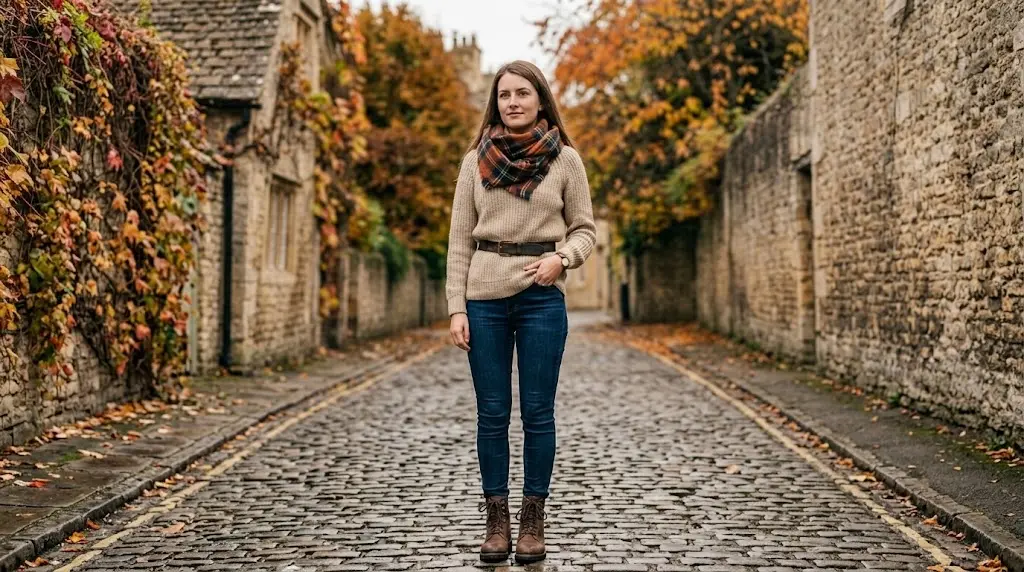
Common Layering Mistakes to Avoid
- Starting with a bulky base layer instead of a fitted one
- Layering three heavy fabrics together instead of varying weight
- Matching lengths exactly, so every layer ends at the same point on the body
- Forgetting to check proportions from the side, not just the front
- Over-accessorizing on top of an already busy layered outfit
Budget-Friendly vs. Premium Layering Pieces
| Budget Option | Premium Option |
|---|---|
| Cotton-blend base layers | Silk or merino wool base layers |
| Basic knit cardigans | Cashmere-blend cardigans |
| Faux leather jacket | Genuine leather or shearling jacket |
| Cotton trench coat | Wool or wool-blend overcoat |
Neither column is objectively “better” for everyone — budget pieces layer perfectly well for everyday rotation, while premium fabrics earn their price mainly through warmth-to-weight ratio and longevity, which matters more if you’re layering daily through a full winter.
Building Layering Into a Capsule Wardrobe
Layering and capsule wardrobes solve the same problem from opposite directions: one is about doing more with fewer pieces, the other is about choosing fewer pieces in the first place. Together, they’re efficient. A handful of well-chosen base, mid, and outer pieces in coordinating tones can produce weeks of outfits without repetition — which is the whole premise behind our complete guide to creating a capsule wardrobe.
When shopping specifically for layering, prioritize pieces in neutral or tonal colors first — they’ll combine with almost everything else you own, which is where the real cost-per-wear savings come from.
A Note on Sustainable Layering
Layering is naturally one of the more sustainable ways to dress, since it gets more use out of pieces you already own rather than buying new ones for every temperature shift. Choosing natural, durable fabrics for base and mid layers also means those pieces last through more washes and more seasons before they need replacing — worth factoring in if you’re building a wardrobe meant to last rather than turn over quickly.
Frequently Asked Questions
How many layers is too many for an everyday outfit? Three is usually the practical limit for daily wear — base, mid, and outer. More than that tends to restrict movement and add unnecessary bulk unless it’s a deliberately styled, fashion-forward look.
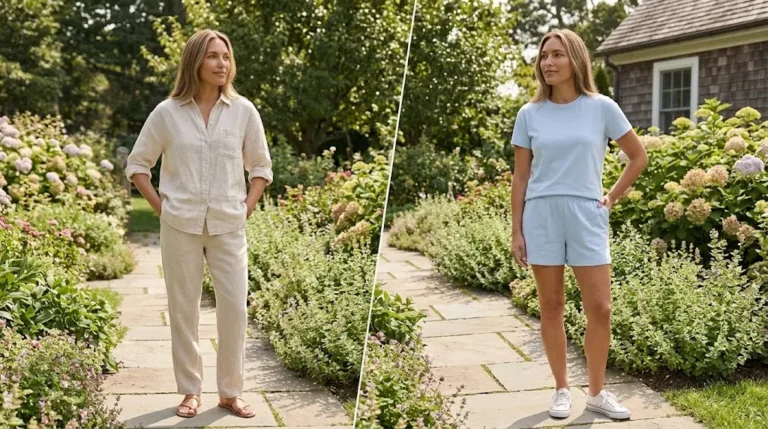
Can you layer clothes in warm weather without overheating? Yes, if you stick to lightweight, breathable fabrics like cotton or linen and keep it to two thin layers rather than three substantial ones — a sheer or open layer over a fitted base works well without trapping heat.
What’s the best base layer fabric for sensitive skin? Cotton and silk are generally the safest choices for sensitive skin, since they’re soft against the body and less likely to cause irritation compared to some synthetic blends.
Does layering work with fitted or tailored clothing, or only casual pieces? It works with both. Tailored layering just requires more attention to proportion — a fitted shirt under a structured blazer reads polished, while the same blazer over a chunky knit reads casual.
How do you layer without looking bigger than you are? Keep at least one layer fitted (usually the base), vary the lengths so each piece is visible, and avoid stacking multiple oversized pieces on top of each other.
Should shoes match the formality of the layers? Generally yes — heavily layered, structured outfits pair better with boots or loafers, while a casual two-layer outfit can carry sneakers without looking mismatched.
The Takeaway
Layering isn’t about adding more clothes — it’s about choosing the right three pieces and putting them in the right order. Start with a fitted base, build shape and warmth with the mid layer, and let the outer layer set the tone for the whole outfit. Get the proportions and fabrics right, and the same handful of pieces will carry you through every season without ever looking repeated.
Once you’ve got the layering formula down, it’s worth applying the same thinking to the rest of your wardrobe — starting with 10 stylish outfit ideas for everyday wear for more ways to build on what you already own.