Makeup Trends Fashion Editors Are Loving Right Now
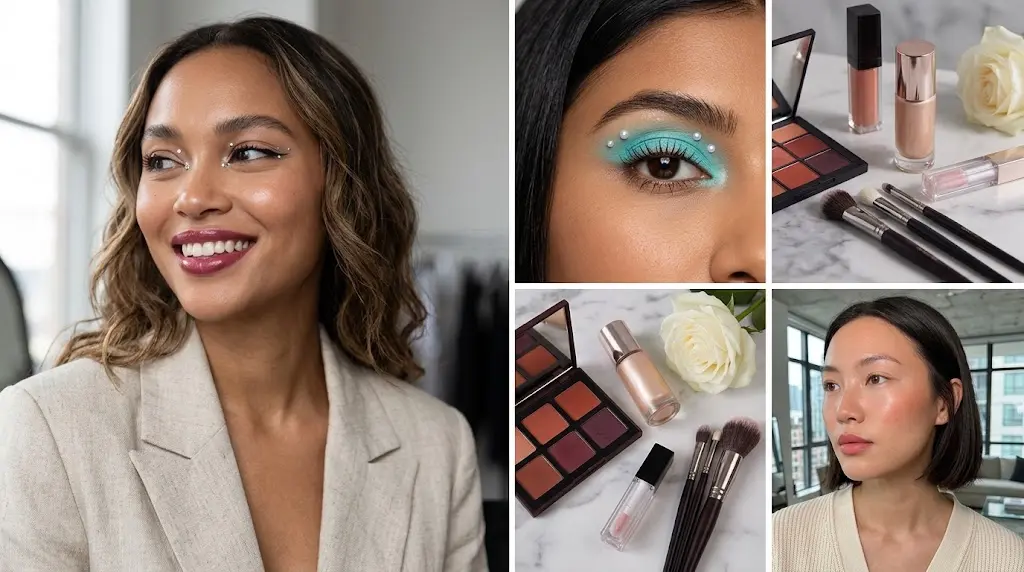
Every fashion month leaves a trail of beauty ideas that eventually make their way from backstage to your bathroom counter, and this season’s crop is more expressive than anything we’ve seen in years. After a long stretch of soft, barely-there “clean girl” makeup, editors are gravitating toward looks with more personality — deeper colors, more texture, a little imperfection.
That doesn’t mean the looks are hard to wear. Most of what’s trending right now is designed to be adapted, not copied exactly. In this guide, we’re breaking down the makeup trends fashion editors keep coming back to, who each one flatters, how to work it into an everyday routine, and where to spend versus save. By the end, you’ll have a clear sense of which of these looks belongs in your rotation this season.
Why Makeup Is Suddenly Getting More Expressive
For the past few beauty cycles, the goal was to look like you weren’t wearing much makeup at all. That’s changing. Editors backstage at fashion month have been describing this shift as a move toward more personality-driven, “wearable artistry” — looks that still feel like you, just with more intention behind them.
Practically, this means fuller color payoff, more textural play (think cream-to-powder finishes, glossy lids, blurred pigment), and a willingness to commit to one strong feature rather than doing “a bit of everything.” It’s a good moment to experiment, because the current trends lean forgiving rather than precise.
Soft-Focus Skin Is Replacing the Matte-vs-Dewy Debate
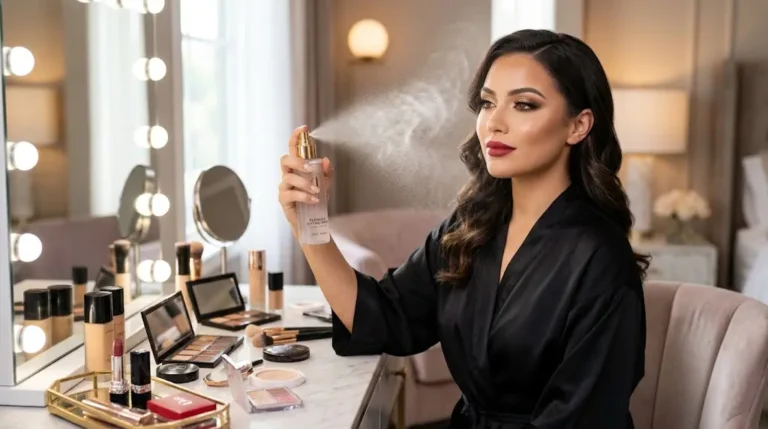
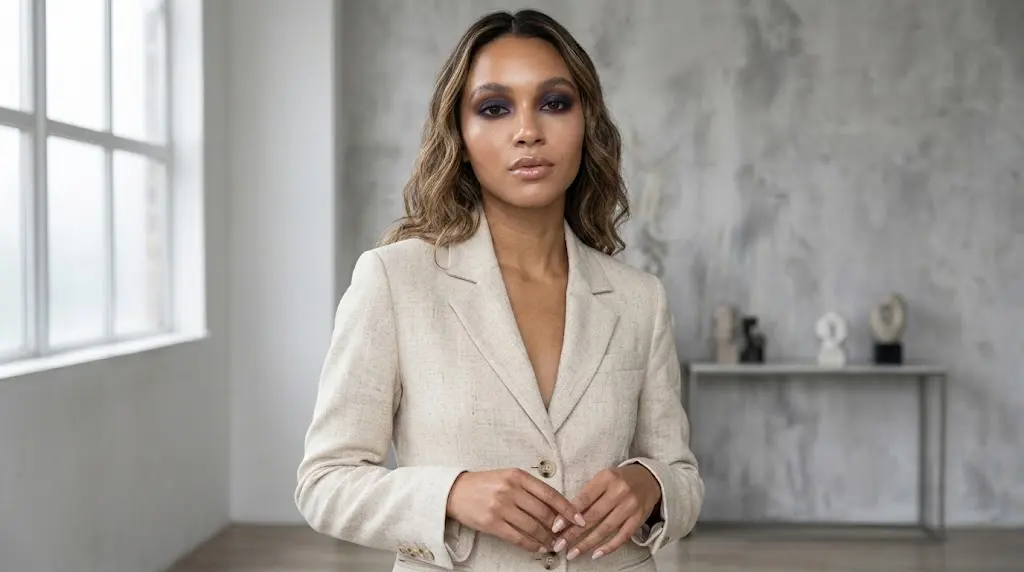
What it is: Instead of picking a side between matte and dewy, this season’s base makeup blends the two — a soft-focus finish that looks smooth without appearing flat or overly glossy. Skin is treated more than “covered,” with illuminating drops, balms, and lightweight tinted formulas doing most of the work.
Why it’s popular: It photographs well, wears comfortably through long days, and doesn’t require reapplication the way a fully matte base does.
Who it suits: Almost everyone, since it’s adjustable by product layering rather than a fixed formula. It’s especially flattering on textured or mature skin, where a soft blur reads more natural than a flat matte finish.
Who may prefer an alternative: Those with very oily skin types may need to set key areas (T-zone) with translucent powder to keep the look from sliding by midday.
How to wear it: Apply a hydrating primer, follow with a sheer or medium-coverage base, and finish with a cream highlighter on the high points of the face rather than powder.
Colors and textures: Warm, skin-true shades with a slight sheen — avoid anything with visible glitter for daytime wear.
Budget option: A tinted moisturizer with SPF built in.
Premium option: A skincare-hybrid foundation with active ingredients.
Common mistake: Over-applying highlighter, which can read greasy in photos rather than luminous.
Style Tip
Mix one pump of liquid highlighter into your moisturizer before applying your base. It gives skin a lit-from-within finish without a separate highlighting step.
Berry and Oxblood Lips Are Replacing the Nude Lip Era
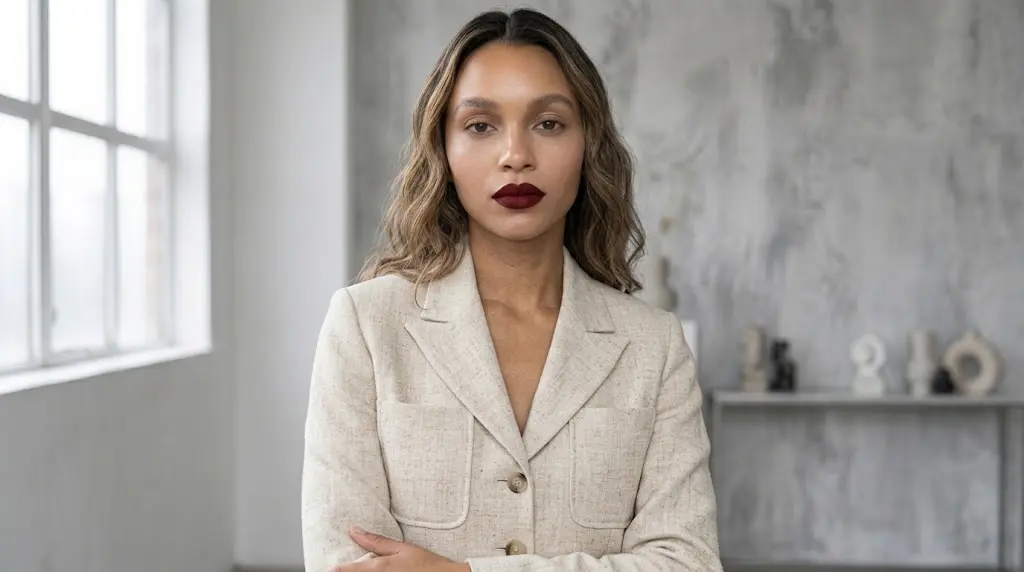
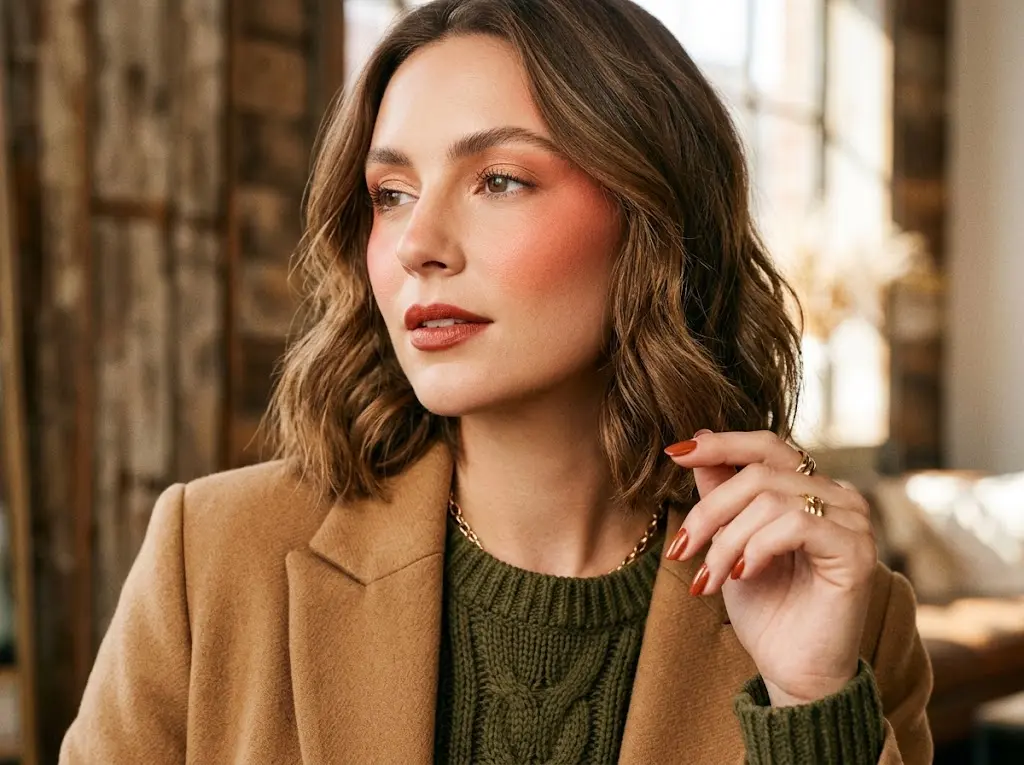
What it is: Deep berry, wine, and oxblood shades are taking over from the pinky-nude glosses that have dominated for several years.
Why it’s popular: These shades feel rich without reading as harsh or overly formal, and they pair naturally with the deeper, moodier color palette showing up across fall wardrobes.
Who it suits: Cool and neutral undertones tend to get the truest color payoff from berry and wine shades, though warmer undertones can lean toward brick or terracotta-red versions of the trend.
Who may prefer an alternative: If you’re not ready to commit to full pigment, a tinted lip balm in the same family delivers the mood with less commitment.
How to wear it: Apply with a fingertip rather than a precise lip brush for a blurred, stained finish — this season’s version of the trend is intentionally imperfect rather than perfectly lined.
Color combinations: Pairs beautifully with the deep, saturated hues showing up in the season’s fashion color palette, especially burgundy, forest green, and chocolate brown.
Occasion suitability: Works for both office and evening — sheerer application reads daytime-appropriate, while a fuller, blotted layer feels more evening-ready.
Budget option: A tinted lip oil or balm in a berry shade.
Premium option: A long-wear liquid lipstick with a soft matte finish.
Common mistake: Using a hard lip liner with a crisp edge — it fights against the deliberately soft, stained effect that makes this trend feel current rather than dated.
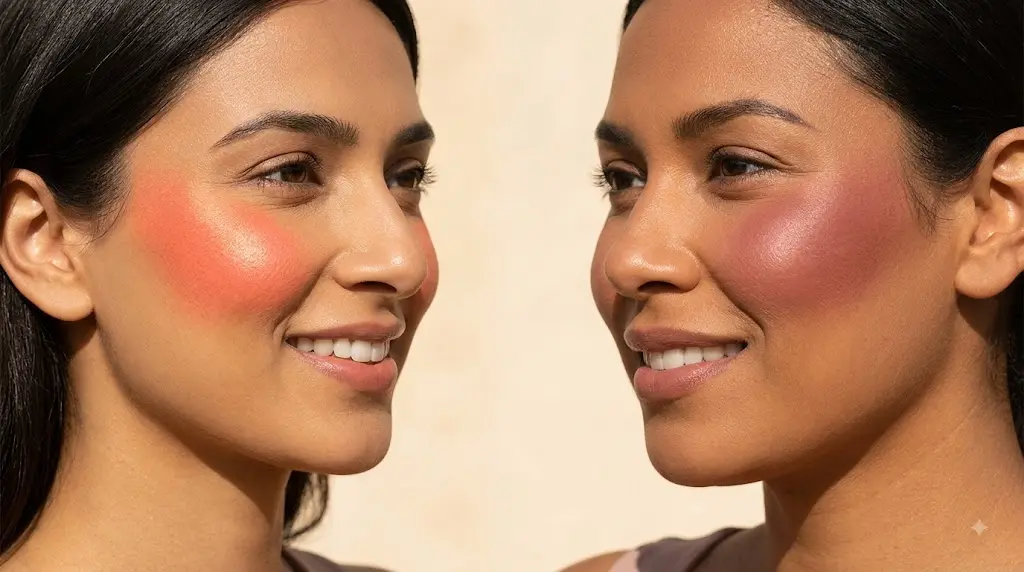
Draped, Layered Blush Is the New Contour
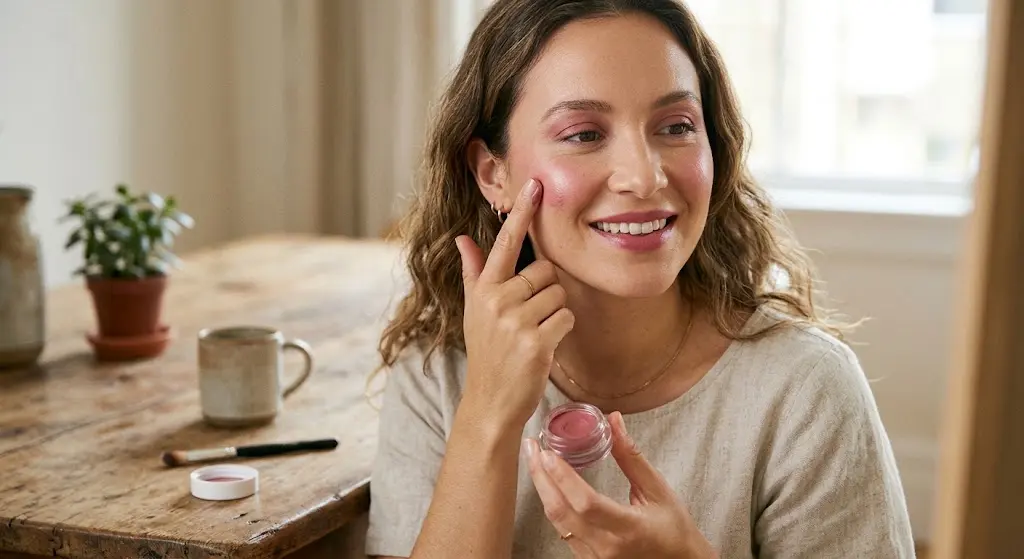
What it is: Rather than a single dab of blush on the apples of the cheeks, this technique sweeps color upward from cheekbone toward temple in several light layers, creating a lifted, sculpted flush.
Why it’s popular: It does double duty as color and subtle definition, replacing heavier contouring with something softer and more natural-looking.
Who it suits: Round and heart-shaped faces benefit most from the lifting effect, though the technique flatters nearly every face shape when the color is placed correctly.
Who may prefer an alternative: If you have very fair or easily flushed skin, a cream formula in a sheer shade will be easier to control than a heavily pigmented powder.
How to wear it: Use a fluffy, angled brush and build color in thin layers rather than one heavy application. Blend upward and outward toward the hairline.
Colors and finishes: Cool-toned pinks and soft berries are having a particular moment this season, echoing the same palette as the lip trend above.
Budget option: A powder blush in a buildable, sheer formula.
Premium option: A cream-to-powder blush with a silky finish that blends without streaking.
Common mistake: Stopping the color too low on the cheek, which flattens the face instead of lifting it.
Style Tip
Smile before you apply blush — placing color on the highest point of your cheek in that natural position makes the “draped” effect much easier to get right on the first try.
If you’re building out your blush collection for this look, our guide to the best blush shades for every skin tone is a useful next stop.
Cool-Toned Statement Eyes
What it is: Deep, blended eyeshadow in cool tones — slate gray, blue-gray, and smoky charcoal — applied with soft edges rather than sharp, graphic lines.
Why it’s popular: It reads as more grown-up and wearable than the neon or ultra-graphic eyeliner trends of past seasons, while still delivering real visual impact.
Who it suits: Cool and neutral undertones tend to get the most flattering contrast from blue-gray shadow, though warm-toned eyes can substitute a deep taupe-gray for a similar mood.
Who may prefer an alternative: If eyeshadow isn’t your thing, a single swipe of dark, smudged pencil along the lash line delivers a scaled-down version of the same effect.
How to wear it: Blend the shadow well past the crease with a fluffy brush so the edges soften — precision here works against the trend, not for it.
Occasion suitability: Best saved for evening or occasions where you want the eye to be the clear focal point; keep lips neutral when wearing this look, since the current guidance from makeup artists is to amplify one feature, not both at once.
Budget option: A single-shade cream eyeshadow stick for quick, foolproof blending.
Premium option: A multi-pan eyeshadow palette built around cool grays and blues.
Common mistake: Skipping a base or primer, which causes cool-toned shadows to look patchy rather than smoky.
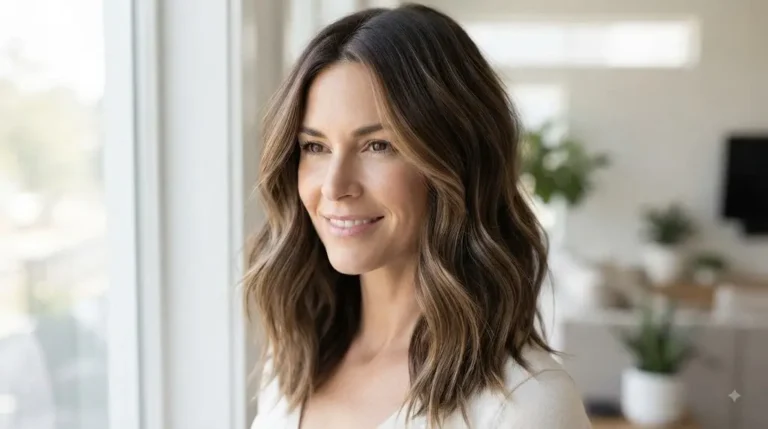
A cohesive beauty look often extends past the face — if you’re updating your color story for the season, this year’s trending hair colors pair especially well with cooler makeup palettes.
Tired-Girl Eyeliner (Yes, That’s Really What It’s Called)
What it is: A deliberately smudged, imperfect eyeliner look — kohl applied to the lower waterline and blurred downward with a fingertip, sometimes placed unevenly or under just one eye.
Why it’s popular: It’s fast, forgiving, and has a lived-in, slightly rebellious feel that fits the broader move away from polished perfection this season.
Who it suits: Anyone comfortable with a slightly undone look — it’s especially popular for its speed, since the entire effect takes under a minute.
Who may prefer an alternative: If you wear contacts or have sensitive eyes, keep the smudging to the outer corner rather than the full waterline to avoid irritation.
How to wear it: Line the lower lash line with a soft kohl pencil, then smudge downward and outward with a fingertip or smudge brush immediately after application, before it sets.
Occasion suitability: Great for daytime and casual settings; it reads more editorial and less appropriate for formal events.
Budget option: A basic kohl eyeliner pencil.
Premium option: A long-wear kohl formulated specifically to smudge without flaking throughout the day.
Common mistake: Using a liquid liner instead of a soft pencil — liquid formulas set too quickly to get the intentionally blurred effect.
Monochromatic Makeup: One Shade, Head to Toe
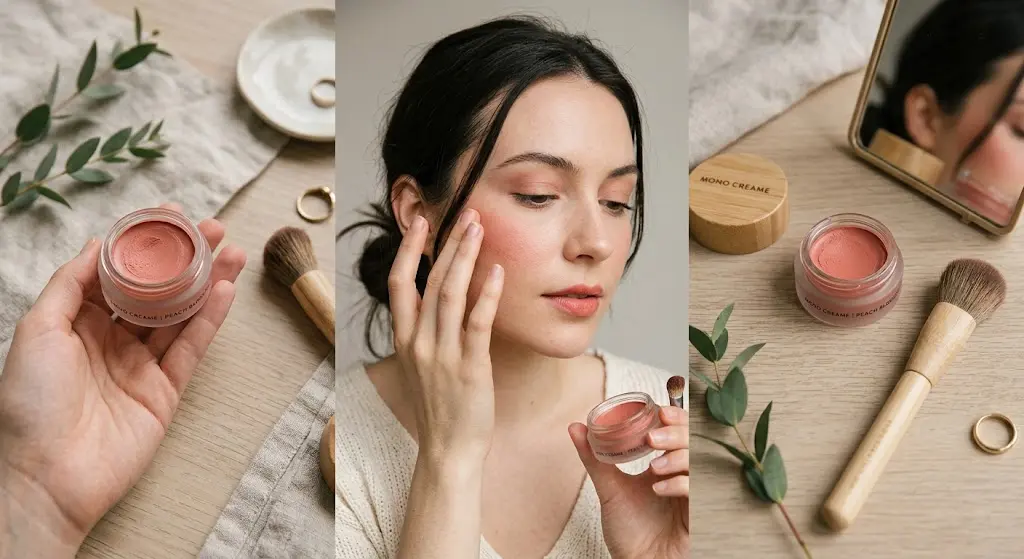
What it is: A single color family — often a soft rose, terracotta, or berry — used across eyes, cheeks, and lips for a tonal, cohesive look.
Why it’s popular: It’s nearly foolproof, since matching shades eliminates the guesswork of color coordination, and it photographs as polished without looking overdone.
Who it suits: This is genuinely universal — the key is choosing a shade family within your own undertone rather than copying someone else’s exact palette.
Who may prefer an alternative: If you prefer more contrast in your makeup, use the monochromatic principle on just two features (say, cheeks and lips) rather than the full face.
How to wear it: Start with a cream or stick formula in your chosen shade, apply to cheeks and lips first, then use a slightly deeper version of the same shade as a wash of eyeshadow.
Color combinations: Soft rose-pink, warm terracotta, and muted berry are the three most versatile starting points.
Budget option: A multi-use color stick that works on lips, cheeks, and lids.
Premium option: Three coordinated single-shade products for more precise layering and buildable intensity.
Common mistake: Choosing shades that are too close to your natural skin tone, which can wash out the effect entirely instead of creating the intended glow.
Style Tip
Pick your monochromatic shade based on an item already in your closet — a rust sweater or berry coat makes an easy, built-in color reference for your makeup that season.
Soft-Focus Finish vs. Traditional Matte Finish
| Feature | Soft-Focus Finish | Traditional Matte Finish |
|---|---|---|
| Look | Smooth with subtle natural sheen | Fully flat, no shine |
| Best for | Textured or mature skin | Very oily skin types |
| Wear time | Needs light touch-ups | Long-lasting without shine |
| Photographs | Softly luminous | Can look flat under flash |
| Application | Cream and balm layering | Powder-based setting |
Amplified Eyes vs. Amplified Lips
| Feature | Amplified Eyes | Amplified Lips |
|---|---|---|
| Rest of face | Kept bare or neutral | Kept soft, minimal eye |
| Best occasion | Evening, statement events | Daytime through evening |
| Skill level | Requires more blending practice | Easier for beginners |
| Commitment | Higher (bold shadow, liner) | Lower (can sheer out easily) |
How to Wear These Trends Without Overdoing It
A few ground rules make all of these looks easier to wear in real life rather than just on a runway:
- Pick one feature to amplify per look — eyes or lips, rarely both
- Blend edges rather than chasing sharp lines; imperfection is the point this season
- Match your makeup’s color temperature (warm or cool) to keep the whole face cohesive
- Test new shades in daylight before committing to a full application
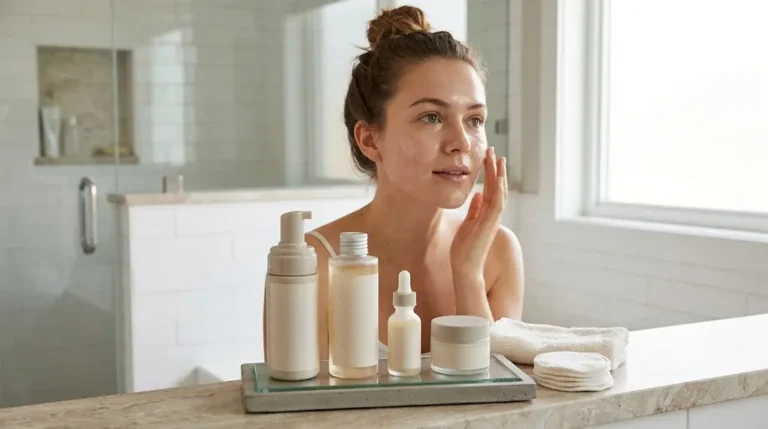
- Keep skin prep simple — moisturizer and SPF first, always
Style Tip
If you’re only trying one trend this season, start with draped blush — it’s the lowest-risk, highest-impact change you can make to your everyday routine.
Building the Rest of the Look
Makeup rarely exists in isolation — the strongest versions of these trends show up when the rest of your look feels considered too. A cool-toned smoky eye reads differently against warm gold jewelry than it does against silver, and a berry lip looks more intentional with nails in a complementary shade. If you’re rethinking your nail color alongside your makeup shift this season, our guide to choosing the perfect nail color breaks down exactly how to coordinate the two.
Frequently Asked Questions
Is it okay to wear more than one bold trend at once?
It can work, but the safest approach is to keep one feature dominant. If your eyes are doing the heavy lifting, keep lips and blush sheer, and vice versa.
Do these trends work for everyday office wear?
Most of them, in a toned-down form. Soft-focus skin, draped blush, and a sheer monochromatic lip are all office-appropriate; save the full smoky cool-toned eye for evenings.
What’s the easiest trend to try first if I’m not confident with makeup?
Monochromatic makeup is the most forgiving, since matching shades removes most of the guesswork around color coordination.
How do I know if a shade suits my undertone?
Check the inside of your wrist in natural light — blue-green veins usually indicate cool undertones (which suit berry, blue-gray, and cool pink), while green-gold veins suit warmer terracotta and brick tones.
Will these trends still look current going into next season?
Soft-focus skin and monochromatic makeup have staying power because they’re technique-based rather than tied to one specific product. Bolder trends like tired-girl liner tend to cycle faster.
Do I need expensive products to get these looks right?
No — application technique matters more than price point for nearly every trend here. A well-blended drugstore cream blush will outperform an expensive powder applied with a heavy hand.
Final Thoughts
The common thread running through this season’s makeup is confidence over precision. Editors keep returning to looks that feel deliberate but not overworked — a blurred lip, a softly smoked eye, a wash of color that ties everything together. None of it requires a full routine overhaul; picking one or two techniques and layering them into what you already do is enough to feel current.
The most useful thing to take from any trend report isn’t the exact shade or product used backstage — it’s the underlying idea you can adapt. Soften your edges, commit to one focal point, and let color do the styling work your wardrobe is already doing this season.